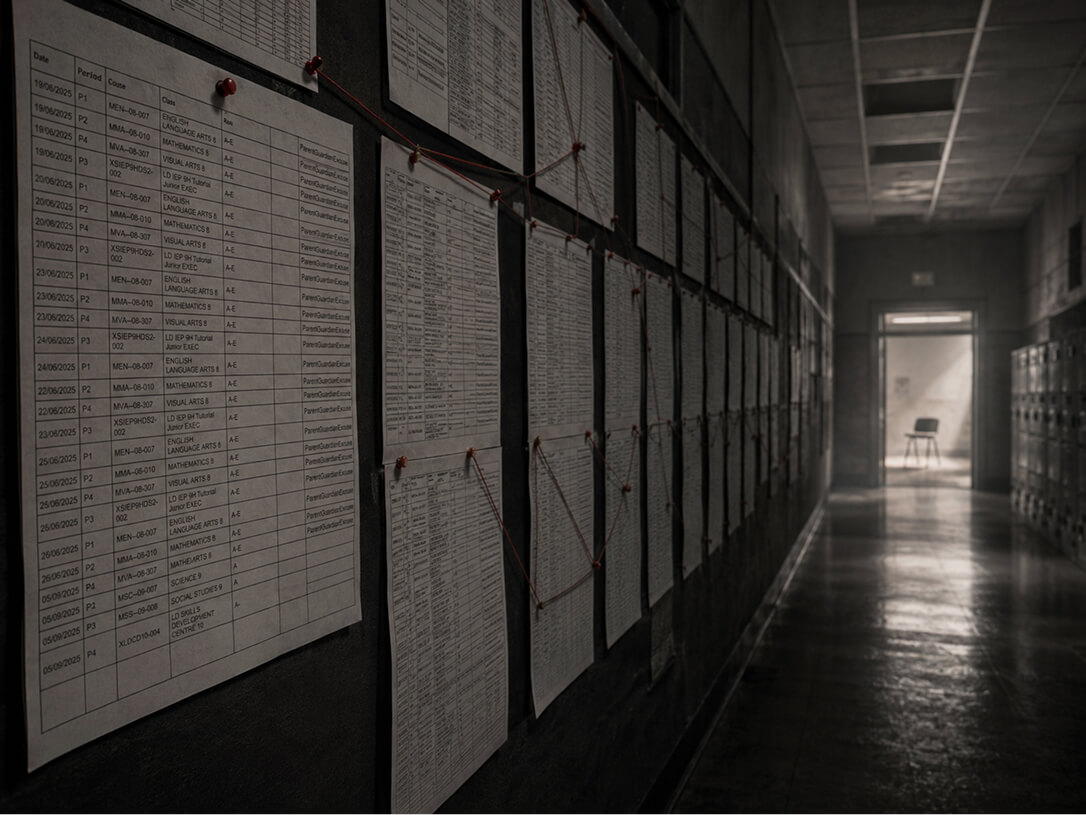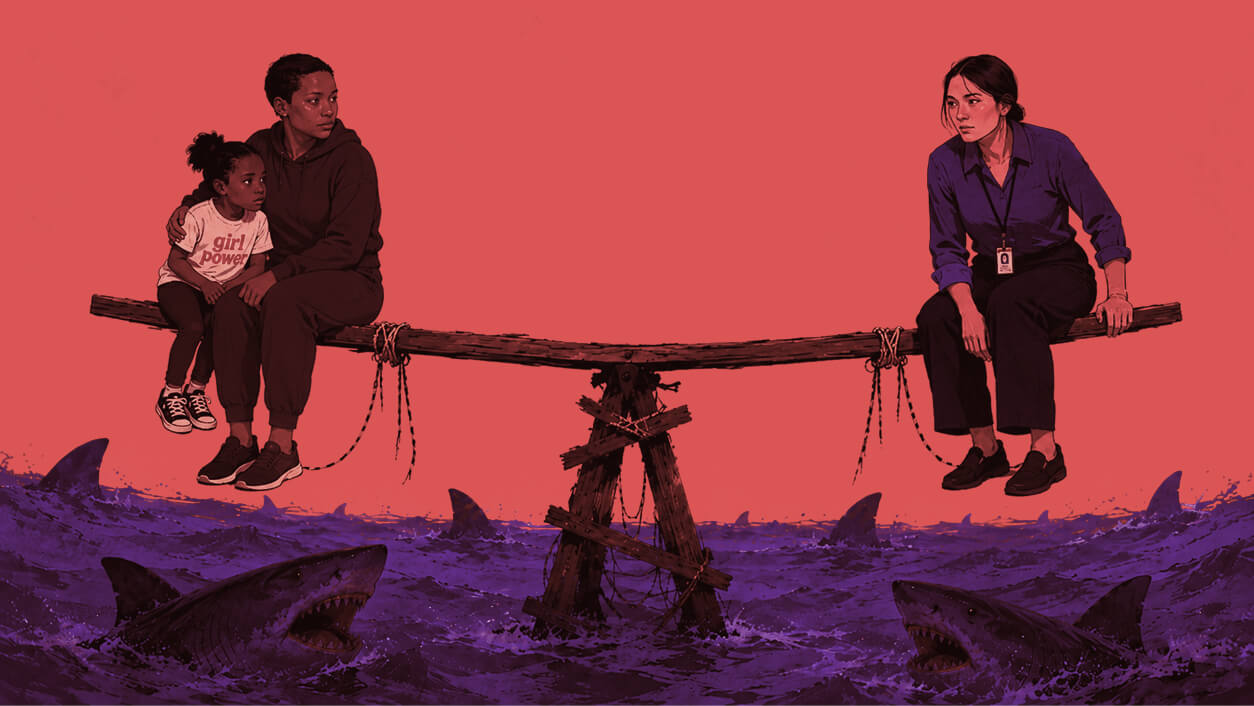
My son has been home for nine months. The school asks periodically about return timelines, performing care through language. They say they would like to see him back at school. Meanwhile, his nervous system tells a different story: sleep patterns regulating, appetite returning, capacity for joy expanding in direct proportion to distance from their supervision. The correlation requires no statistical analysis; I watch it unfold daily as he moves through mornings without bracing for institutional threat.
Nine months equals three academic terms. Two months longer than he gestated. Nine months represents time enough to start healing. The school records describe behavioural incidents and emotional dysregulation. My observation reveals what those descriptions obscure: a child who deployed every available resource toward surviving an environment fundamentally incompatible with his neurology, his sensory processing, his capacity for regulation under their specific institutional conditions. His healing demonstrates that pathology resided in the mismatch, not in him.
The institution that devastated my child continues collecting my tax payments.
The double taxation mechanism
The arithmetic operates as organised extraction. I pay property taxes funding schools my child cannot safely attend. I pay provincial income taxes supporting education budgets that purchase PBIS instead of accommodation frameworks. My tax contributions fund administrator salaries and superintendent positions defending practices that violate human rights legislation. Every dollar I contribute underwrites systems that harm my children while declaring insufficient resources to stop harming them.
The calculation becomes obscene when rendered specific: a family paying eight thousand dollars annually in provincial taxes allocated towards education receives perhaps six hours weekly of actual school attendance through partial schedule architecture. The per-hour cost of publicly funded education they cannot access subsidises full-day programming for children whose bodies and neurology require less institutional adjustment. The family then pays again—private therapy to address trauma the publicly funded school inflicted, tutoring to compensate for learning time lost to exclusion, childcare during school hours when room clears send children home mid-morning.
This creates what merits naming as compulsory double taxation: mandatory payment into collective education funding plus mandatory private payment for actual education when the public system refuses provision. Families cannot opt out of the first extraction; the second becomes necessary for survival. The province collects revenue while actively preventing service delivery, transforming taxation from collective resource pooling into architecture where vulnerable families pay twice—once for systems that exclude them, again for alternatives made necessary by that exclusion.
-
The economics of abandonment
When districts exclude children from school, the funding does not follow the child home. The money remains captured within institutional accounts, redirected toward students who attend, while parents absorb the cost of providing education systems are legally required to deliver. I’ve reduced my…
The subsidy inversion
Canadian data show about 13% of children ages 5–17 have disabilities Statistics Canada, many with complex needs. Yet a growing body of evidence reveals these children often receive little or no instruction because they are excluded from classrooms. In British Columbia, 70 students were excluded for a combined 5,973 days in the 2022-23 school year, with the majority in kindergarten and Grade 1, and a quarter of exclusion periods lasting over four months The Tyee. The BC Ombudsperson has opened a province-wide investigation into students, including those with disabilities, being excluded from school with little or no instruction Bcombudsperson.
Families in this situation cannot use the public service they already fund with taxes, yet they face mounting financial burdens of their own. The data speak clearly.
Ninety-five percent of families of children with disabilities incur out-of-pocket expenses related to care Canada.ca. Canadian families of children with medical complexity report median annual out-of-pocket expenses of $8,639, with substantial costs related to childcare, homemaking, travel to appointments, hospitalisations, and medical devices PubMed. These figures capture only direct costs: medications, equipment, therapy, transportation. They do not include lost income. Canadian mothers experience a substantial decline in earnings after the birth of their first child, decreasing by 49% in the first year with a persistent 34.3% reduction even a decade later Uqam. The earnings penalty compounds across time.
When exclusion forces a parent—almost always the mother—to absorb daytime care and crisis response, household income contracts further. While the most recent comprehensive Canadian data on families with disabled children comes from 2006, that research found 19.1% of families with children with disabilities living below the poverty line, compared to only 13.4% of families with children without disabilities Canada.ca. Parents sacrifice paid work to manage exclusion while privately funding tutoring, therapy, and supervision the school system refuses to provide.
These facts make the inversion unmistakable. Rather than redistributing resources toward families with higher needs, the education funding architecture transfers resources away from them. Families already carrying disability-related costs subsidise full-service education for children whose bodies and neurology require minimal institutional adjustment.
Employment and income penalties
The second tax is paid through lost income. Caring for a disabled child under conditions of exclusion forces parents out of the labour market. Although comprehensive recent Canadian data specifically on mothers of disabled children remains limited—the most recent national survey addressing families with disabled children was conducted in 2006—that research found mothers’ employment affected almost 90% of the time when families altered work arrangements due to a child’s disability, while fathers’ employment was affected only 33% of the time Canada.ca. Families with children with more severe disabilities were more likely to reduce working hours compared to those with children with less severe disabilities Canada.ca. These changes are not offset elsewhere within the household. Instead, families intensify traditional gender roles, sacrificing women’s earnings and career trajectories to absorb institutional failure.
The result is a sustained income penalty that persists across decades. Canadian mothers experience earnings that remain 34.3% below pre-birth levels even a decade after their first child Uqam. Reduced earnings translate directly into reduced retirement savings, diminished housing security, and increased debt. Parents pay full property taxes and consumption taxes while 19.1% of families with children with disabilities have household incomes below the poverty line Canada.ca—yet the education system treats accommodation as optional rather than mandatory.
The human cost as economic mechanism
The employment penalties documented in Canadian research are produced through daily, structural demands that convert caregiving into compulsory unpaid labour.
I reduced my hours. I was passed over for a management position. I restructured my practice around school crisis unpredictability, building financial buffers to absorb weeks when exclusion generated emergency care needs. I declined work requiring travel. The career trajectory other parents followed during these years remains inaccessible to me because accommodation failures create continuous volatility.
Alongside paid work reduction sits the shadow labour the research rarely prices: ten to twenty hours weekly coordinating care, documenting incidents, attending meetings, filing complaints, preparing evidence, translating my child’s needs into bureaucratic language designed to deny them. This labour remains unpaid, untaxed, and unavoidable. Other families allocate these hours toward income generation, advancement, or rest. I allocate them toward forcing compliance with laws my taxes already funded. My house is a mess!
This labour is not ancillary. It is the mechanism through which income loss, poverty risk, and long-term financial insecurity are produced.
-

The good twin, the bad twin, and the system that needed both
Before school taught them roles, they played tea party—taking turns serving and being served. Seven years later, I can’t say with certainty whether one would fetch the fire extinguisher if the other caught flame.
Public funding mismatch
Governments cite limited resources to explain why adequate supports remain unavailable. Budget records tell a different story. In British Columbia, funding for inclusive education has more than doubled since 2017. Yet families continue to report absent supports and escalating exclusion.
Districts routinely deploy inclusion funding toward behaviour-management frameworks, restraint and seclusion training, and legal defence rather than toward accommodation. Internal reviews show minimal compliance with positive behaviour support requirements. Legal challenges to exclusion result in settlements paid from education budgets, further diverting funds from service provision.
The money flows. The service disappears.
Jurisdictional deflection and the enforcement gap
Responsibility dissolves across jurisdictions. Provinces collect education taxes while citing federal responsibility for disability services. Federal programs require discretionary income to access, excluding families already impoverished by care. School districts cite budget constraints while ministries report increased spending.
Legal frameworks exist: the Canadian Charter of Rights and Freedoms, provincial human rights codes, Ministry policies mandating inclusion. Moore won!!!! Yet, enforcement mechanisms remain weak by design. Complaints take years. Families absorb legal costs or unpaid advocacy labour. Consequences rarely extend beyond individual cases.
Rights function as privately enforced entitlements. Families pay for policy development through taxes, then pay again to force compliance with those same policies.
-

Human Rights Tribunal complaints are designed to exhaust
There is a silent calculus embedded in every human rights complaint: how much of your energy, your time, your composure, and your life force are you willing to lose in order to gain a largely symbolic victory. For those of us who have…
The unmet needs gap
Among children with disabilities, 8.7% had unmet healthcare needs due to cost, compared to 1.6% of children without disabilities. The gap reveals how financial barriers translate directly into service deprivation. Families report rationing therapy, delaying equipment purchases, choosing between prescription medications and household expenses, accumulating debt to bridge waitlists between public funding timelines and immediate developmental needs.
Families of children with disabilities often face significant extra out-of-pocket costs for health-related services and equipment that are not covered by public insurance, including prescription medications, assistive devices, therapies, and transportation. Historical surveys of families caring for children with disabilities found large proportions reporting such costs.
More recent data from the 2022 Canadian Survey on Disability show that 44.2% of persons with disabilities who use prescription medications incur out-of-pocket costs, and 41% of those report spending over $500 in a year on medications not fully reimbursed, indicating substantial extra medical expenditures relative to those without disabilities.
The federal Child Disability Benefit provides maximum $2,985 annually for families below income thresholds—a sum representing perhaps two months of private therapy for children with complex needs. The Registered Disability Savings Plan offers matching contributions but requires families to possess discretionary income to contribute initially. Programs exist; adequacy remains perpetually insufficient.
The long arithmetic
The extraction compounds annually. This year’s costs build on last year’s depletion. Next year’s needs emerge from resources already exhausted. The thirteen-year educational trajectory represents not temporary crisis requiring adaptation but sustained extraction spanning children’s entire development, parents’ prime earning years, capacity for wealth accumulation that might buffer adult transitions.
I will never recover the career momentum lost to school crisis management. I will never recoup the retirement savings depleted for private therapy addressing school-inflicted trauma. I will never rebuild the professional networks that dissolved when I could not maintain consistent availability because exclusion created emergency care demands. The system does not extract only current resources; it forecloses future economic security.
Childhood disability’s economic impact extends across decades, shaping parental retirement outcomes, home ownership capacity, ability to build intergenerational wealth. The penalty persists beyond the child’s school years into parental old age, transforming temporary caregiving demands into permanent financial precarity.
Nine months as counterfactual evidence
What nine months away from school provides is a counterfactual the public system never measures: outcomes when extraction stops.
My son’s sleep regulates. His appetite returns. His capacity for joy expands. His sensory profile remains unchanged, but his environment no longer punishes it. He no longer expends all available energy performing neurotypical compliance under constant evaluation. The child the school documented represented catastrophic adaptation to institutional conditions. The child emerging now reflects who he becomes when survival no longer consumes all capacity.
The school emails expressing concern, framing absence as loss, proposing return with modified supports. These proposals ignore what the counterfactual demonstrates: the harm is structural. The sensory density, temporal rigidity, social compression, surveillance, and behaviour-management architecture cannot be accommodated away.
His absence disrupts administrative order. His presence would restore it. The institution’s interest is clear.
The clarification distance provides
Other families report this same recognition—crisis removal followed by unexpected improvement, initial panic about missed academics giving way to understanding that school itself functioned as primary stressor. The guilt about withdrawal dissolves as the child’s wellbeing demonstrates what continuation would have cost. The institutional voices insisting on return become comprehensible as protecting system interests rather than child welfare.
I carry expertise in user experience design, accessibility standards, inclusive frameworks. I understand that when systems produce devastating outcomes for particular users, ethical response involves redesigning systems, not insisting harmed users adapt to structural violence. My son’s recovery constitutes proof that different conditions produce different outcomes, that deficits schools attributed to him dissolved when environment changed, that the problem always resided in mismatch between his needs and their institutional requirements.
Nine months provides clarity they cannot access because their position prevents recognising the harm they enact. I watch my child become himself again in their absence. I refuse to sacrifice his nervous system to their administrative preference for his compliant institutional presence.
The extraction as designed architecture
The structure inverts every principle taxation supposedly serves. Collective funding should distribute costs equitably; instead it concentrates burden onto vulnerable families. Progressive taxation should redistribute from wealthy to poor; instead disability taxation extracts from struggling families to subsidise comfortable provision for others. Public education should guarantee access; instead it demands private payment to replace excluded public service.
I subsidise education for children whose families pay less tax while earning more income because they face no disability-related employment penalties. I fund schools serving everyone except children like mine, then pay private costs to compensate for exclusion my initial taxes already purchased prevention against. The families best positioned to absorb educational expenses receive full publicly funded service; the families least able to pay must purchase education privately after already paying publicly.
The math operates as designed. The cruelty is structural, not accidental. I pay for my children’s exclusion, then pay again for alternatives made necessary by that exclusion, then pay again in labour forcing systems to acknowledge obligations my taxes already purchased. This is the arithmetic of extraction: organised transfer of resources from vulnerable families to systems that harm them, justified through scarcity performance while budgets reveal different priorities, sustained across years while employment penalties compound and advocacy labour intensifies and children heal only in proportion to their distance from institutions claiming concern while enacting violence.
Conclusion
My son heals while I continue funding the institution that harmed him. The school performs concern. I possess certainty.
Return would restart a harm cycle already proven. Continued participation would require knowingly re-entering a system that generates trauma, economic loss, and rights violations.
Nine months taught me what return would cost. My taxes continue funding their system. My son continues healing in its absence. The gap between institutional rhetoric and lived recovery reveals whose interests public concern actually serves.
The people least financially ready to subsidise other taxpayers do so because we cannot opt out of taxation funding schools that refuse to educate our children.
-
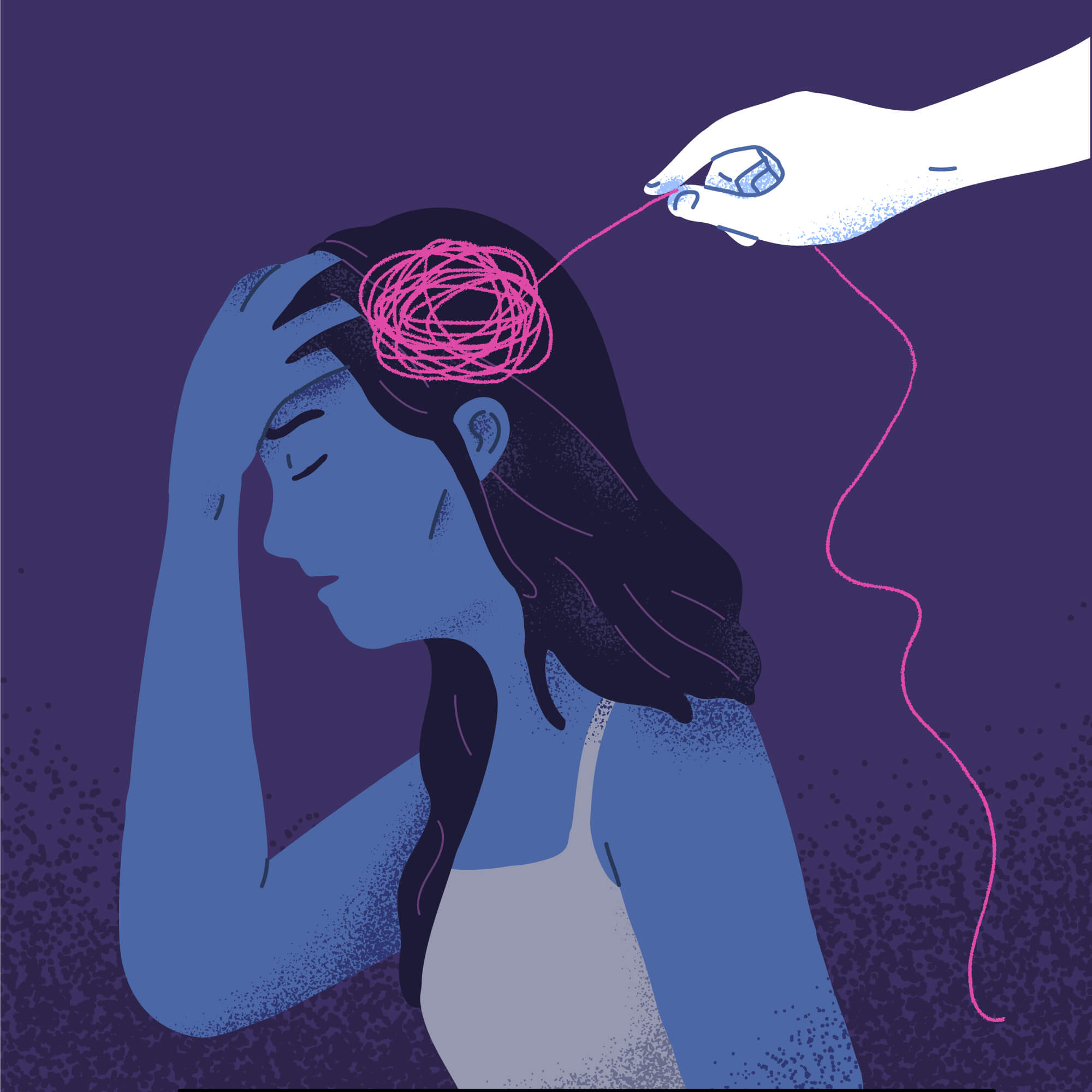
The unseen wounds of advocacy: caregiver burnout, moral injury, and embodied grief
Caregiver burnout in BC schools reflects moral injury and systemic betrayal, as mothers fight exclusion and harm while advocating for disabled children.