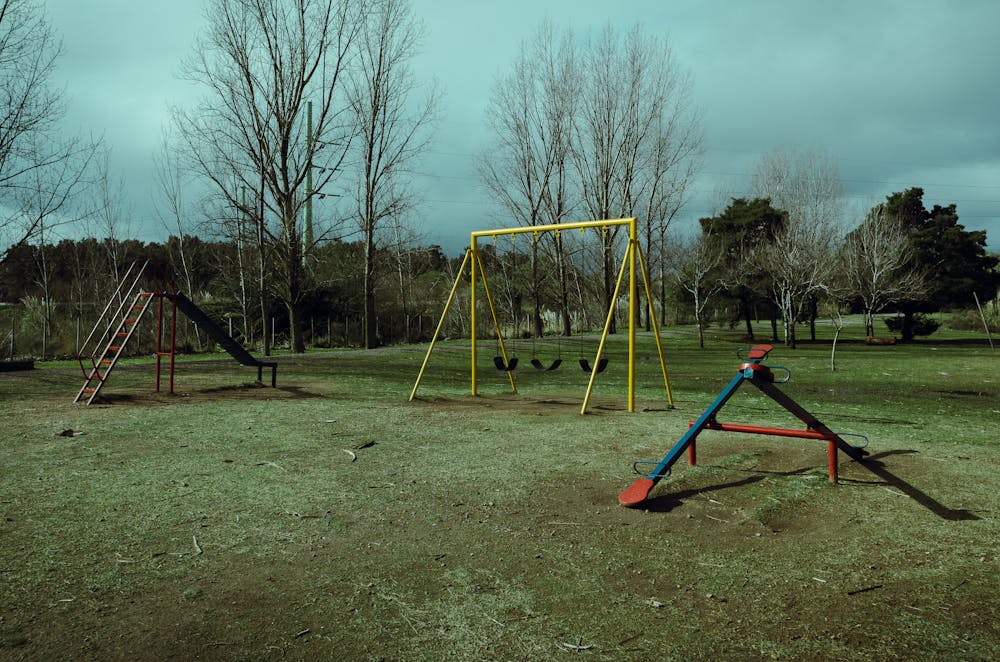
Families are often told to wait. Wait for paperwork, wait for testing, wait for designations. But while the system delays, children are already experiencing harm—being misunderstood, left behind, or punished for unmet needs. The Human Rights Code doesn’t say “wait and see.” It says act when harm is visible and support is needed. Delay is not neutral. Delay is impact.
Key takeaways
- Support must be based on need, not paperwork
A child’s observable struggles are enough to begin accommodations. Schools cannot lawfully ignore harm just because a formal assessment is still pending. - Delays cause real, compounding harm
When children go without the help they need, they lose access to learning and connection. Waiting exacerbates distress—and under the Code, that harm matters. - The duty to accommodate is already active
As soon as a school is aware of possible disability-related barriers, the duty to inquire and accommodate is in effect. Assessment delays do not pause that responsibility.
Learn more
Part 1: Duty to Accommodate – Power of the Human Rights Code
by Kim Block, Speaking Up BC