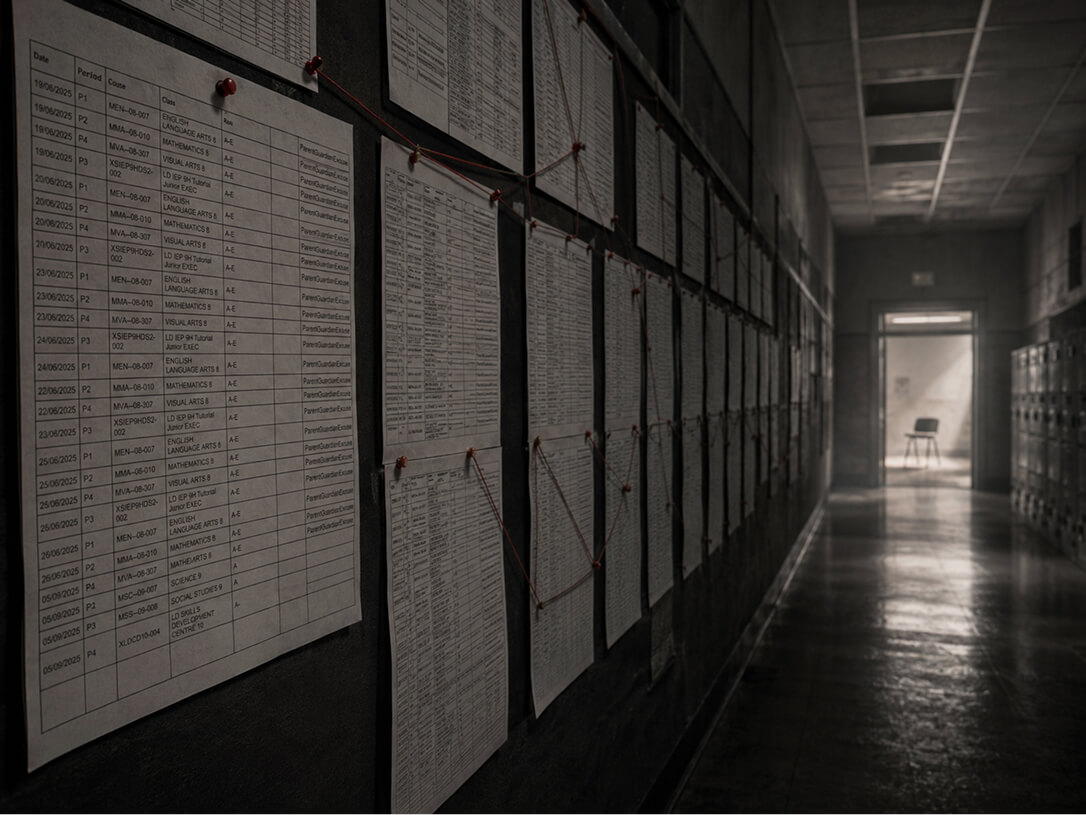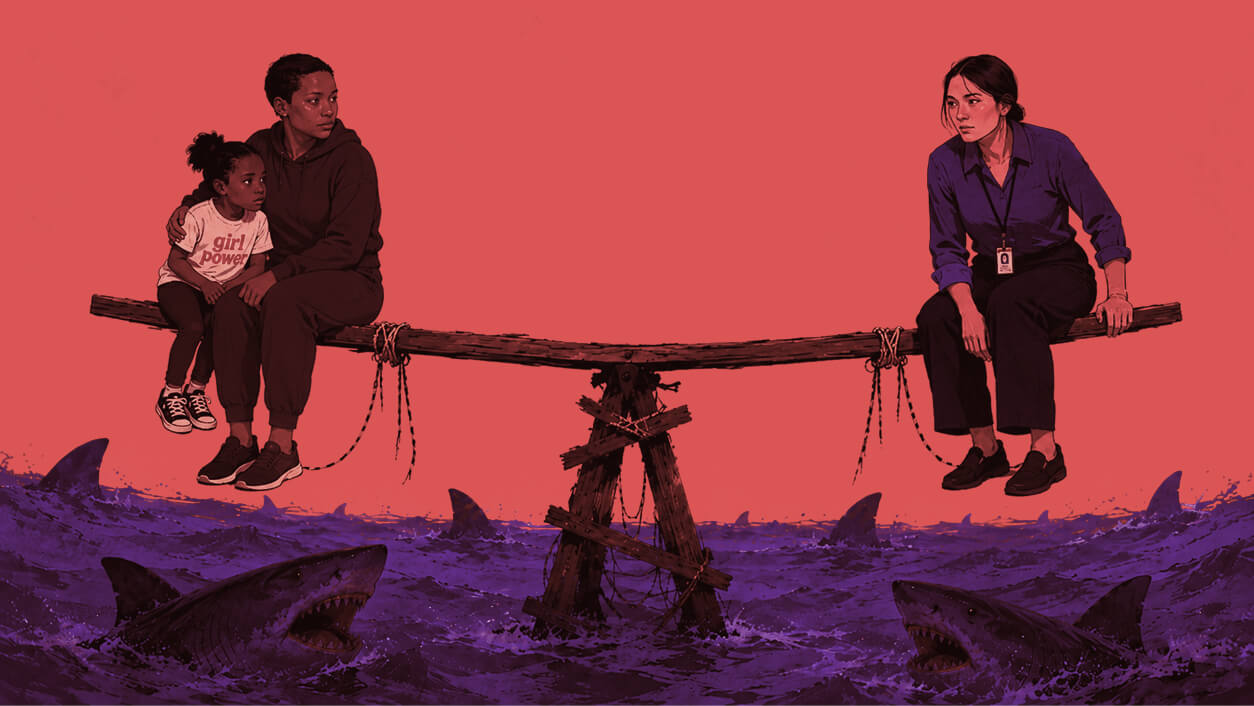
Your child might not have the language to name what’s happening, might not recognize collective punishment as a specific practice with a specific name, might only know that something at school feels deeply unfair and that their effort no longer seems to matter. Parents often notice the effects before they identify the cause: children who suddenly resist going to school, who describe classroom incidents with confusion or anger, who stop talking about teachers they once loved, who express cynicism about rules that seem to change without warning. These shifts in mood, motivation, and trust often trace back to a disciplinary practice many educators still defend despite its documented harms—the practice of punishing entire groups of students for individual behaviour, of taking away recess because one child talked, of canceling rewards because someone forgot homework, of implementing consequences that treat proximity to misbehaviour as equivalent to misbehaviour itself.
Collective punishment operates quietly in many classrooms, normalized to the point of invisibility, described by teachers as “natural consequences” or “learning about teamwork” or “how the real world works”—but children experience it as betrayal, as evidence that fairness does not govern their days, and as proof that adults will harm them without hesitation when control becomes the priority. The signs that your child’s teacher uses this practice might seem subtle at first, disconnected incidents that only reveal their pattern over time, but the effects accumulate with devastating consistency: damaged peer relationships, eroded trust in authority, learned helplessness about effort and outcome, and the kind of pervasive anxiety that comes from knowing you can be punished at any moment for actions entirely outside your control.
Signs to watch for
Here are a few things you might notice, that could indicate your child experienced collective punishment:
Your child describes losing privileges “because the class was too loud”
When your child reports missing recess, losing free time, or having rewards revoked because “we were too noisy” or “some kids weren’t listening,” they are describing collective punishment. The language matters: not “I was too loud” but “we were too loud,” not “I wasn’t listening” but “the class wasn’t ready.” This linguistic shift from individual to collective responsibility signals that consequences are being distributed across groups rather than directed at specific students, that teachers are holding entire classrooms accountable for behaviour they did not engage in, and that your child is learning their actions matter less than their association with others.
Punishments reference “the whole class” or “everyone”
Teachers implementing collective punishment use specific phrases that reveal the practice: “everyone will lose,” “the whole class has to,” “if one person breaks the rule then nobody gets,” “we all stay in until.” Your child might report these statements with bewilderment, with anger, or with resignation—but the content remains consistent. When consequences are framed as collective by default, when teachers describe punishment as something that happens to groups rather than individuals, they are signaling that fairness operates differently in their classroom than in the world outside it, where people generally expect to be held accountable only for their own choices.
Your child mentions that other kids “got us in trouble”
Children forced to endure collective punishment often describe classmates as threats to their wellbeing, as people whose behaviour directly harms them even when they had no part in it. Your child might express frustration about “the kids who always get us in trouble,” might name specific students as responsible for lost privileges, might talk about wanting to avoid certain peers because their presence increases the likelihood of group consequences. This shift in how children understand their classmates—from potential friends and collaborators to sources of punishment—damages peer relationships in ways that persist long after the specific incident ends, teaching children to surveil one another, to resent rather than support struggling peers, and to fragment into factions based on compliance rather than connection.
They say the punishment “wasn’t fair” but struggle to explain why
Young children especially might lack the conceptual vocabulary to articulate why collective punishment violates justice, might only be able to express that something feels wrong, that the consequence didn’t match anything they did, that the teacher’s decision doesn’t make sense. When children repeatedly use fairness language to describe classroom discipline—”it’s not fair,” “I didn’t do anything,” “why did I get punished”—they are trying to reconcile their understanding of how consequences should work with a practice that operates according to different logic entirely. Their confusion is not developmental immaturity; it is accurate moral reasoning confronting a system that has abandoned the principles it claims to teach.
Your child stops trying as hard at school
One of collective punishment’s most insidious effects arrives as learned helplessness: children stop investing effort when that effort no longer correlates with outcome, when following rules offers no protection from consequences, when working hard guarantees nothing except the possibility of losing what they earned because someone else acted out. Parents describe children who once loved school beginning to approach it with indifference, who complete work with minimal engagement, who stop volunteering answers or participating in class activities, who express cynicism about whether trying matters at all. This motivational collapse does not reflect laziness or attitude problems; it reflects rational adaptation to conditions where effort and outcome have been systematically decoupled by adults who punish achievement alongside misbehaviour.
They express anxiety about things outside their control
Children subjected to regular collective punishment often develop hypervigilance about peer behaviour, about classroom noise levels, about whether “we’re being good enough” to avoid losing privileges. Your child might mention worrying about what other students are doing, might express fear that someone will “mess up” and cause group consequences, might describe feeling responsible for monitoring classmates even though they hold no actual authority to change anyone else’s behaviour. This anxiety stems directly from being held accountable for actions they cannot control, from living under conditions where punishment can arrive at any moment regardless of their choices, and from internalizing the message that their safety depends on the compliance of thirty other people.
Your child mentions students being mad at each other after punishments
Collective punishment systematically damages peer relationships by creating conditions where students blame one another for shared consequences rather than questioning the adult who implemented them. Your child might describe classmates yelling at whoever “got us in trouble,” might report social exclusion of students whose behaviour frequently triggers group punishments, might mention that “everyone hates” certain peers whose disability-related or trauma-related behaviour becomes visible through these incidents. Teachers who use collective punishment often defend it as building peer accountability, but what it actually builds is a culture of lateral violence where students learn to regulate one another through social punishment, where children direct their anger at disabled or struggling peers rather than at unjust systems, and where solidarity becomes impossible because everyone understands that association carries risk.
The teacher frames it as “we’re a team” but only for negative things
Children recognize hypocrisy with extraordinary precision, and they notice immediately when teachers invoke collective responsibility for punishment but never for reward, when “we’re all in this together” means shared consequences for failure but individualized recognition for success, when team language appears only to justify taking things away. Your child might point out that the class never gets extra recess when one student does something kind, never earns group rewards when someone excels academically, never receives collective praise when individual children demonstrate leadership or compassion. This asymmetry reveals what the practice actually teaches: that groups bear punishment together but achievement remains private, that collective responsibility flows only downward, and that fairness means whatever serves adult control in any given moment.
Your child talks about specific kids the teacher “always blames”
Teachers implementing collective punishment often claim they do so to avoid singling students out, to protect children from public shame, to distribute consequences more equitably than targeting individuals—but children report the opposite. They describe teachers who punish the whole class while clearly directing anger at specific students, who make comments about “the same people always causing problems,” who use group consequences as cover for targeting disabled students, students of color, or other marginalized children whose behaviour teachers find particularly intolerable. Your child might mention that the teacher “always looks at” certain students when announcing collective punishment, might describe those students as “the reason” for lost privileges even when the teacher never explicitly named them, might recognize that collective punishment functions less as equitable discipline and more as plausible deniability for discrimination that would be harder to defend if stated openly.
They’ve stopped talking about their teacher positively
Trust, once broken, does not repair easily—and collective punishment breaks trust with brutal efficiency. Children who once spoke about teachers with affection, who shared classroom stories with enthusiasm, who expressed excitement about school might gradually shift toward silence, toward minimal responses when asked about their day, toward language that signals disconnection rather than relationship. When adults punish children for things they did not do, when they enforce consequences that violate basic fairness, when they prioritize control over care, children learn that these adults cannot be trusted to protect them, that the relationship serves institutional needs rather than student wellbeing, and that affection or respect for teachers who harm them represents a kind of betrayal of their own accurate understanding of what happened.
-

Collective punishment: how schools displace guilt, erase harm, and preserve the collective
One of the things that was so traumatising about the collective punishment that was callously perpetrated against my daughter was the light and evasive tone of the…
What collective punishment actually does to children
Here are a few of the impacts of collective punishment:
It teaches them effort doesn’t matter
Children learn what we teach them, and collective punishment teaches that trying hard, following rules, and investing effort in learning offers no protection from consequences, guarantees no safety, and correlates poorly with outcomes they experience. When children who complete their work lose the same privileges as children who don’t, when students who sit quietly all morning miss recess alongside students who disrupted the lesson, when compliant behaviour and non-compliant behaviour produce identical results, the lesson arrives with perfect clarity: your choices don’t matter, your effort changes nothing, and the adults controlling your life will punish you regardless of what you do. This learned helplessness does not stay contained to school; it generalizes outward into beliefs about agency, control, and whether investing energy in anything makes sense when the world operates according to logics you cannot influence.
It damages relationships between students
Collective punishment systematically destroys the peer connections that make school tolerable, that create conditions for collaboration and friendship, that allow children to experience classrooms as communities rather than sites of mutual surveillance. When students learn that other children’s behaviour directly harms them, when they understand that proximity to certain peers increases their likelihood of punishment, when they recognise that their wellbeing depends on the compliance of classmates over whom they have no authority, relationships fragment into resentment, blame, and strategic distance. Children begin avoiding peers whose behaviour might trigger group consequences, begin monitoring and policing one another in ways that mirror adult control, and begin directing anger at struggling students rather than at the unjust system that treats their struggles as collective problems requiring collective punishment.
The social dynamics grow particularly toxic when disability enters the picture. Students whose behaviour stems from ADHD, autism, anxiety, trauma, or other conditions that affect self-regulation become targets of peer hostility because their disability-related actions frequently result in collective punishment that teachers refuse to acknowledge as discriminatory. Your child might report that classmates complain about “the kid who always gets us in trouble,” might describe social exclusion of students whose neurodivergence makes quiet compliance difficult, might internalize the message that disabled students deserve isolation because their presence carries too much risk. Teachers who claim collective punishment builds empathy are teaching the opposite—they are teaching children that disability is a liability, that struggling peers threaten rather than enrich the community, and that the appropriate response to someone who needs support is resentment rather than solidarity.
It erodes trust in adults and authority
Children arrive at school expecting that adults will treat them fairly, that rules will make sense, that consequences will match actions, and that the people responsible for their care will protect them from harm rather than causing it. Collective punishment violates every one of these expectations, teaching children that adults will lie to them about fairness, that rules operate according to convenience rather than principle, that consequences bear no relationship to behaviour, and that teachers will harm them without hesitation when maintaining control becomes the priority. This erosion of trust does not stay contained to the teacher who implemented the punishment; it generalizes outward to authority figures more broadly, to institutions that claim to serve children while systematically failing them, and to the notion that appealing to fairness or justice will produce anything except disappointment.
When your child stops believing that adults will treat them fairly, when they learn through repeated experience that protesting injustice changes nothing, when they recognize that the systems governing their lives prioritize adult convenience over child wellbeing, something fundamental shifts in how they understand their relationship to power. Some children respond with compliance born from resignation, learning to tolerate conditions they cannot change and suppressing their own knowledge of what fairness requires. Others respond with resistance that adults label as defiance, as attitude problems, as evidence that stricter discipline is needed—but that resistance often represents healthy refusal to accept unjust treatment, accurate recognition that the system harming them deserves challenge rather than cooperation, and appropriate anger at adults who betray the trust children extended them.
It creates anxiety and hypervigilance
Living under conditions where you can be punished at any moment for actions entirely outside your control produces the kind of chronic stress that damages children’s developing nervous systems, that interferes with learning, and that teaches bodies to remain in states of heightened alertness even when no immediate threat exists. Your child might begin monitoring peer behaviour obsessively, might express fear about whether the class will “be good enough,” might describe feeling responsible for outcomes they cannot influence, might develop physical symptoms of anxiety tied to school attendance. This hypervigilance represents rational adaptation to irrational conditions—when punishment can arrive unpredictably based on other people’s choices, when safety depends on the compliance of thirty children rather than your own behaviour, staying alert to potential threats makes sense even as it exhausts the nervous system’s capacity to regulate.
The anxiety often intensifies for children who already experience disability-related stress, who already navigate schools that were not designed for them, who already work harder than their peers to meet expectations that may be developmentally inappropriate or neurologically impossible. Adding the unpredictability of collective punishment to existing demands creates conditions where school becomes unbearable, where children begin refusing to attend, where somatic symptoms proliferate, and where the message arrives clearly: this environment is not safe for you, the adults here will not protect you, and your survival depends on avoiding this place entirely.
It teaches children to accept injustice
Perhaps collective punishment’s most dangerous lesson arrives in what it normalizes: the idea that people in power will harm you unfairly and that your job is to tolerate it, that fairness is conditional and negotiable, that protesting unjust treatment accomplishes nothing except marking you as difficult, and that the proper response to systemic wrong is acceptance rather than resistance. Children who experience collective punishment regularly begin describing it as “just how school works,” as something inevitable rather than chosen, as a feature of institutional life they must endure rather than a practice adults could change if they valued fairness over control. This normalization does not represent maturity or resilience; it represents the successful suppression of children’s accurate moral reasoning in service of adult convenience.
When we teach children that injustice is normal, that adults will betray them casually, that effort and outcome bear no relationship, and that their protests against unfair treatment will be ignored or punished, we are preparing them for a lifetime of tolerating conditions they should resist, of accepting harm they should challenge, and of believing that power operates outside principles of fairness or accountability. Some educators defend this as preparation for “the real world”—but workplaces that punish employees for colleagues’ mistakes are recognized as toxic, relationships that distribute consequences unfairly are understood as abusive, and systems that abandon fairness lose legitimacy. The real world children deserve requires adults willing to model justice rather than train compliance with injustice.
It increases targeting of disabled and marginalized students
Collective punishment does not distribute harm evenly; it concentrates harm on students whose behaviour already marks them as different, whose disability-related actions teachers find most disruptive, and whose need for support gets reframed as responsibility for group consequences. Your child might report that the same students’ behaviour repeatedly triggers collective punishment, might describe teachers who announce group consequences while directing anger at specific children, might recognize that disabled peers become scapegoats for class-wide losses even when teachers claim not to be singling anyone out. The practice allows teachers to punish students they find intolerable while maintaining plausible deniability about discrimination—after all, they punished everyone, how could that be targeting?—but children see clearly that certain peers bear disproportionate social and emotional costs when their disability-related behaviour becomes the stated or unstated reason thirty other students lost privileges.
This dynamic teaches disabled children that their neurodivergence harms other people, that their presence in general education classrooms imposes costs on peers who would be better off without them, and that the appropriate response to their struggles is isolation rather than support. It teaches non-disabled children that disability represents a threat to their wellbeing, that struggling peers deserve exclusion because association with them carries risk, and that the proper stance toward difference is resentment rather than solidarity. These lessons do not stay contained to elementary school; they shape how children understand disability, difference, and whose needs matter when resources feel scarce and adults refuse to distribute them fairly.
-
What replaced the strap in Canadian schools?
They took the strap away—or at least, they removed the physical instrument, the leather loop of institutional discipline that had once been the sanctioned mechanism of control in classrooms across the country. Even if we never felt it on our own skin, we knew what it meant; we had heard the sound of it slapped swiftly against a desk, the sudden silence that followed, and we could summon, without instruction, the sting of it landing on flesh that could have been ours. They made a formal announcement, drafted new policy language about safety and well-being, and filed it under modernisation—a…
What you can do
If you recognize these signs in your child’s experience, if collective punishment is damaging their relationship to school, to peers, to learning, and to their own sense of agency, you are not powerless—though systems often work hard to make you feel that way. Documenting incidents matters: dates, specific punishments, your child’s description of what happened, patterns over time. Schools are required to provide fair and equitable discipline; collective punishment violates that requirement regardless of whether individual teachers recognize it as harmful. Conversations with teachers can sometimes shift practice, especially when educators genuinely didn’t realize the harm they were causing—but some teachers will defend collective punishment vigorously, will invoke team-building rhetoric, will suggest your child needs to learn resilience or real-world skills, and will refuse to acknowledge that punishing children for other people’s behaviour is unjust.
When teacher conversations fail, documentation becomes evidence for administrator intervention, for formal complaints, for demanding that schools comply with their own policies prohibiting unfair discipline. You are entitled to ask how punishment serves your child’s educational interests when they did nothing wrong, entitled to demand individual behaviour support for students whose actions trigger group consequences, entitled to insist that your child’s rights to fair treatment matter more than teacher convenience. The work is exhausting, the resistance is real, and the system protects itself with remarkable efficiency—but your child is learning from how you respond to institutional injustice, from whether you challenge it or tell them to accept it, and from what you communicate about whose needs matter when adults and children disagree about what fairness requires.
-

Cultural bias and collective punishment: why school systems resist feedback
Across cultures and institutions, punishment is often mischaracterised as a neutral or corrective act—something that emerges in response to wrongdoing, rather than something shaped by norms, loyalties, and group dynamics. But when we look closely at how people learn to punish (and more…