Positive behavioural interventions and supports circulates through British Columbia’s public schools with a gentle, polished confidence, offering administrators the comfort of matrices and fidelity tools, offering families soothing language about positivity and predictability, and presenting itself as an enlightened evolution of schoolwide discipline, yet what I see each time I study its structure is the unmistakable inheritance of applied behaviour analysis, because the system depends on reinforcement, compliance, adult surveillance, and engineered contingencies that shape a child’s conduct rather than honouring the child’s embodied reality.
I have already written the truth of this across my work—across She graduated and this is what she learned, across I only asked for gentleness, across Non-coercive, trauma-informed alternatives to PBS/ABA—each piece a fragment of the same story, each describing a different angle of the harm that emerges when schools privilege behavioural legibility over human need, because hunger turns into a behavioural problem, collapse becomes a disciplinary concern, and masking becomes the metric through which children are praised.
PBIS lives inside that ecosystem. It thrives in it. It perfects the aesthetic.
-

Non-coercive, trauma-informed alternatives to PBS/ABA in BC schools
Positive Behaviour Support (PBS) and Applied Behaviour Analysis (ABA) are behaviourist approaches widely used in schools to manage student behaviour. However, a growing chorus of neurodivergent advocates, educators, and researchers highlight that these methods often prioritise compliance and “normalising” behaviour over student well-being rcpsych.ac.uk. By focusing on making neurodivergent children appear neurotypical (meeting neuronormative standards), traditional PBS/ABA can neglect the child’s internal experiences and unmet needs rcpsych.ac.uk. For example, behaviourist programs might reward a quiet child or extinguish a stim without asking why the child is distressed – an approach that “fails to address the underlying reasons behind certain behaviours and the unmet needs they express” rcpsych.ac.uk. Multiple…
PBIS as behaviourist inheritance
I experience PBIS as a system that packages ABA’s old clinical assumptions in schoolwide clothing, transforming the behaviourist promise of reinforcement into a universal language that governs classrooms, hallways, and playgrounds. The model celebrates its ability to teach expectations, reinforce desired behaviours, and intensify interventions when children communicate distress, and each of these pillars rests on the belief that behaviour shifts through extrinsic control, that adults can shape a child’s inner world through scripted routines, and that distress resolves when adults adjust the environment for compliance rather than for comfort.
In Non-coercive, trauma-informed alternatives to PBS/ABA, I describe how PBS and ABA elevate compliance and normalisation as primary goals and teach children to suppress their internal states so they can meet neuronormative standards; PBIS simply disperses this logic across an entire school community, allowing the approach to appear progressive while preserving the architecture of behaviourism beneath.
-

How to smell a rat: spotting fake neurodiversity-affirming programs
Not everything wrapped in soft colours and “nervous system” talk is safe. In a post-ABA world—or at least a world where ABA has learned to change its clothes—many school districts, parent training programs, and private providers now claim to be “neurodiversity-affirming.” They use the language of trauma, talk about connection, and sprinkle in phrases like “co-regulation” or “PDA-informed.” Their websites promise gentle support and calm households. Their materials are pastel-toned and Instagram-ready. But beneath the branding, many of these programs still reinforce the same old compliance culture. They focus on changing behaviour, reducing distress signals, and helping children “cope” with…
The promise of positivity as institutional camouflage
PBIS markets itself through gentle language, through universal values, through praise statements and predictable routines. These features create an appearance of safety while maintaining a system that shapes children through control.
I saw this clearly when my daughter, in She graduated and this is what she learned, was offered the “work table” as the only location where she could safely meet her ARFID-related needs, a behavioural workspace that signalled discipline rather than nourishment. The message became unmistakable: eating aligned with compliance, location, adult judgement, and behavioural optics rather than with her body’s cues.
I saw the same dynamic when my son, in I only asked for gentleness, recognised instantly that sing-song directives masked coercion, that a warm tone delivered as behavioural pressure still functioned as pressure, and that “positive reinforcement” can disguise the same adult agenda wrapped in a softer costume.
The disciplinary function: compliance as the measure of success
PBIS positions compliance as a proxy for safety, regulation, and learning, and this belief appears across my writing because I have lived its consequences in real time. In Gentleness, I describe how a child becomes framed as a problem when his body responds rationally to stress, sensory saturation, or perceived danger, because the system reads distress as defiance rather than as communication.
In Non-coercive, trauma-informed alternatives, I show how behaviourist systems reduce complex neurodevelopmental signals to behavioural errors for suppression or reward, a reduction that strips children of nuance and casts their central needs as disruptions to the flow of schooling.
The result is always the same: stillness becomes celebrated even when stillness arises from collapse; quiet becomes praised even when quiet emerges from shutdown; belonging becomes conditional on appearing manageable.
The school’s fantasy of neutrality
PBIS encourages schools to imagine themselves as neutral facilitators of behavioural change, as though adults carry no history, no bias, no emotional volatility, and I encounter the fragility of that illusion each time I revisit Jeannie’s experience of having her wrist grabbed, an incident I recount in She graduated and this is what she learned. The school treated the violation as procedural rather than embodied, preserving the authority of the adult over the safety of the child, and allowing a rhetoric of positivity to conceal the reality of power.
PBIS offers no language for this contradiction. It simply frames the adult as consistent and the child as variable, when in truth the adult’s misattunement creates the very conditions PBIS claims to resolve.
PBIS as a system that cultivates masking and collapse
Masking moves through all my essays like a slow, steady undertow. Jeannie withdrew, ate less, tiptoed through the school day to avoid drawing the kind of attention that punished need. My son contorted himself around adult expectations until his nervous system eroded under the strain.
In Non-coercive, trauma-informed alternatives, I document how masking reshapes identity, creates chronic stress, and leads to emotional and physiological breakdown. PBIS rewards these masks. It treats the appearance of coping as actual coping. It celebrates the absence of visible distress even when the child achieves that absence through dissociation.
And because PBIS operates at scale—tickets, points, praise scripts, fidelity checks—it institutionalises masking as a schoolwide currency. Children who mask effectively are framed as successful; children who resist masking are escalated through tiers.
-

The fallout of regressive discipline: from community trust to mental health
In schools across British Columbia and beyond, discipline often unfolds not as a considered intervention tailored to individual needs, but as a blunt, collective act that seeks to restore order quickly by suspending joy or opportunity for all. The cancellation of recess, the revocation of a field trip, the withholding of an earned privilege—all for the actions of one or a few—may appear, to the enforcer, as a simple way to command compliance. Yet beneath this surface simplicity lies a complex, corrosive harm. This harm touches every layer of student life, from motivation and trust to the fragile threads of…
What PBIS erases: interiority, autonomy, and distress
My experience is that behaviour communicates need, yet behaviourist systems translate need into noncompliance. In Non-coercive, trauma-informed alternatives, I describe behaviour as distress rather than defiance. In She graduated and this is what she learned, I recount hunger, pain, and humiliation reframed as behavioural issues. In Gentleness, I show how shutdown, avoidance, or flight emerged from a saturated nervous system rather than from wilful refusal.
PBIS erases these internal states because it depends entirely on observable behaviour; everything interior becomes invisible within its logic or reframed as a deficit in the child rather than a misattunement in the environment.
A province shaped by behaviourist procurement
My experience of British Columbia’s urgent-intervention landscape—UIP, Choices, behaviour specialists, area counsellors—is that these programs form a behaviourist ecosystem shaped through procurement, training, and provincial endorsement. PBIS functions as the soft entry point: a schoolwide system that normalises monitoring, scripting, reinforcement, and flowchart-based decision-making.
This ecosystem trains families to accept behaviourist logic as inevitable, trains children to navigate systems that prioritise order over understanding, and trains schools to invest in behavioural control rather than relational redesign.
Conclusion: naming PBIS truthfully
PBIS presents itself as a supportive framework that fosters positive culture, yet its lineage, methodology, and outcomes align squarely with ABA. It shapes behaviour through environmental control, reinforces compliance as the marker of success, collects data as though children were measurable instruments, and treats human variation as a challenge to be managed rather than a reality to be embraced.
PBIS did not create every harm described in my essays, yet it supplied the structure, language, and institutional logic that allowed those harms to flourish. And I believe naming this truth clearly is one step toward building an education system where safety, dignity, and authentic regulation matter more than behavioural optics or the calm veneer of institutional order.
-
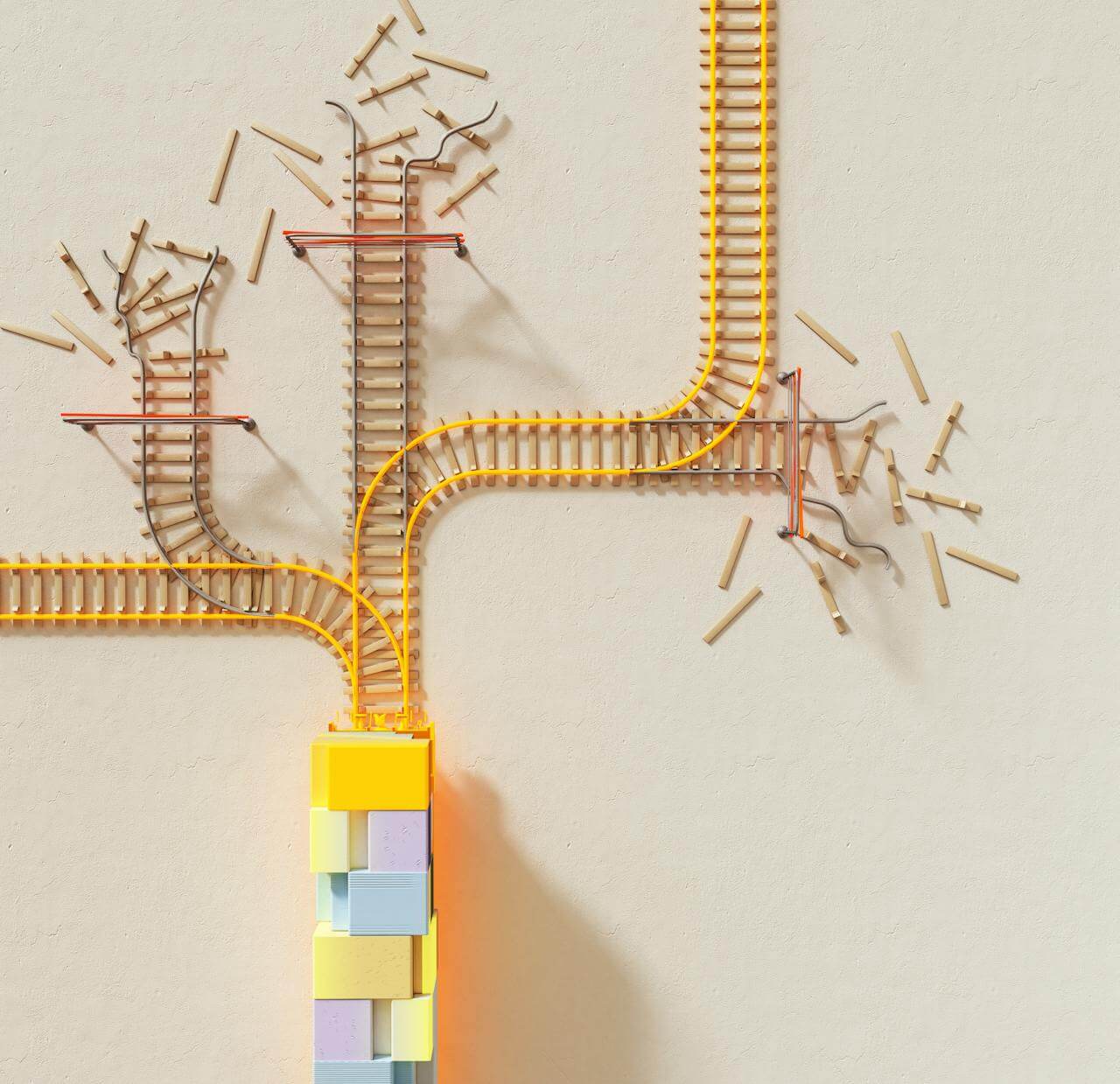
The behaviourist spine of BC’s urgent-response systems
In Urgent behaviour intervention teams in major BC school districts I shared research which identified the intervention teams in many of the larger districts in BC, describing their processes and roles, mostly in the language that they describe their services. This essay attempts to analyse those systems through a disability-justice lens, revealing how roles, processes, and structures across Vancouver, Surrey, Burnaby, Richmond, Coquitlam, North Vancouver, and Victoria reproduce the same behaviourist spine under different administrative skins. Across British Columbia, urgent-behaviour intervention programs circulate through district documents with a calm surface and a reassuring vocabulary, shaping a vision of support that…