On December 20, 2017, my kindergarten child Robin went onto an ice field during recess at his school in Vancouver. Robin loved ice—the sensory experience, the visual shimmer, the way it cracked and moved under small feet. The school had asked all students to stay away from the ice for safety reasons throughout the morning, and Robin’s assigned support worker redirected Robin repeatedly, but Robin kept returning to the ice, running away each time the adult approached. Eventually the principal and the support worker together convinced Robin to move away.
The following day, the school closed the gravel field and basketball court to all students at lunch.
I asked the principal directly whether Robin got supervised during the incident and whether other students got punished because of Robin’s actions. She confirmed the closure but reframed the decision: “The decision to close the gravel field and basketball court at lunch was to keep students safe.”
This represents collective punishment—the practice of penalising an entire group for one individual’s behaviour—deployed against elementary school children because one disabled child sought sensory input the school deemed dangerous.
How collective punishment engineers social isolation
Vancouver School Board closed outdoor play spaces to every student because one autistic kindergartener went on ice during recess. The school could have provided closer supervision for Robin, could have offered alternative sensory activities involving ice in controlled contexts, could have taken Robin ice skating as an accommodation meeting the sensory need safely. Instead, the principal chose to restrict access for all students, ensuring Robin’s classmates experienced lost recess play options as a direct consequence of Robin’s behaviour.
This decision serves multiple institutional functions simultaneously: it positions the disabled child as the source of peer deprivation rather than examining whether the school adequately supervised or accommodated the child’s known sensory interests; it outsources behavioural management to peer pressure by ensuring other children witness the connection between the disabled child’s actions and their collective loss; it frames the school’s failure to provide appropriate support as a safety concern requiring universal restriction rather than an accommodation failure requiring individualised intervention.
The principal’s language reveals the mechanism—she described “safety reasons” three times in four sentences, anchoring the closure in protection rather than punishment. Schools deploy safety frameworks to justify collective penalties because safety claims resist critique: questioning whether the restriction genuinely serves safety or primarily serves convenience and control risks appearing cavalier about children’s wellbeing. The parent who objects to collective punishment must argue against “keeping students safe,” absorbing the social and institutional cost of appearing unreasonable while the school maintains its position as the responsible actor protecting children from the dangerous disabled child who cannot follow rules.
The pattern across Vancouver School Board
This incident occurred during Robin’s first term in the public system, before we understood collective punishment as systematic institutional practice rather than isolated administrative decision. We accepted the principal’s safety framing because we carried the private terror all parents of disabled children know—the fear that our child genuinely endangered others, that the school’s concerns reflected legitimate risk we failed to manage adequately at home.
Seven years later, having documented collective punishment practices across British Columbia’s sixty school districts, I recognise this December 2017 playground closure as textbook implementation of the mechanism: school creates connection between disabled child’s behaviour and peer group deprivation, school frames the connection as safety protocol rather than punishment, parent absorbs blame for child’s actions while school positions itself as protecting the collective from the dangerous individual.
Vancouver School Board schools deploy this practice with particular frequency around recess, classroom access, and field trip participation—contexts where the disabled child’s exclusion becomes visible to peers, where the connection between individual behaviour and group consequence gets reinforced through repeated exposure, where other children learn to associate the disabled student with lost privileges and restricted activities.
-

The cancellation
When the principal cancelled the volleyball game, she did more than remove an afternoon of play from a group of eager children, she transformed what should have been a moment of joy and collective affirmation into despair and humiliation, converting what should have…
What the school refused to consider
In my response to the principal, I offered specific context the school systematically ignored: Robin loves ice, we could facilitate ice play safely through skating, perhaps the recent escalation in Robin’s dangerous behaviours reflected the increased demands the school placed on Robin without corresponding support, particularly after the behaviour consultant’s term ended and Robin lost afternoon assistance.
I suggested examining whether pushing Robin to engage in more non-preferred activities exceeded Robin’s current capacity, whether the balance between demands and breaks required recalibration, whether Robin’s behavioural changes communicated something about the environment rather than revealing something about Robin’s pathology requiring correction.
The principal’s response dismissed this analysis entirely: “I am glad to see that some of [counsellor’s] suggested strategies are similar to what the staff have been trying.” She reframed my expert knowledge as coincidentally aligning with existing practice rather than incorporating my recommendations, then deferred substantive discussion to January without addressing whether the school’s demand escalation caused the behavioural crisis they now managed through collective punishment.
This pattern repeats throughout Vancouver School Board responses to parent expertise: schools solicit input for compliance theatre, ignore the accommodations parents identify as effective, interpret behavioural escalation as evidence the child needs more intensive intervention rather than evidence the environment became more hostile, then deploy collective punishment to manage the behaviours the school itself created through accommodation denial.
-

Collective punishment: how schools displace guilt, erase harm, and preserve the collective
One of the things that was so traumatising about the collective punishment that was callously perpetrated against my daughter was the light and evasive tone of the principal. She said that the punishment had to be “swift.” I frequently wondered about the choice…
The political function of engineered peer conflict
Collective punishment serves institutional efficiency by outsourcing behavioural management to social pressure while obscuring the school’s accommodation failures as safety necessities. When Robin’s classmates lose recess because Robin went on ice, those children learn to fear and resent the disabled student who costs them playground access. Their parents hear about the closure, about Robin’s behaviour, about how the school protects everyone from the dangerous child who cannot follow simple safety rules. The other families absorb the school’s narrative—that Robin constitutes the problem requiring management rather than that the school failed to provide adequate supervision or appropriate accommodation for a known sensory-seeking behavior.
This dynamic builds the political infrastructure schools require to justify exclusion: when the school eventually proposes shortened days, separate programming, or permanent removal, other families support these decisions because they already understand Robin as the child who cost their children recess time, who made the playground unsafe, who required constant redirection while their children followed rules successfully.
Vancouver School Board engineers this outcome through deliberate policy choice—the decision to close playgrounds to entire student populations rather than provide closer supervision or environmental modification for individual disabled children reflects institutional priorities that value administrative convenience over disabled children’s social inclusion and educational access.
-
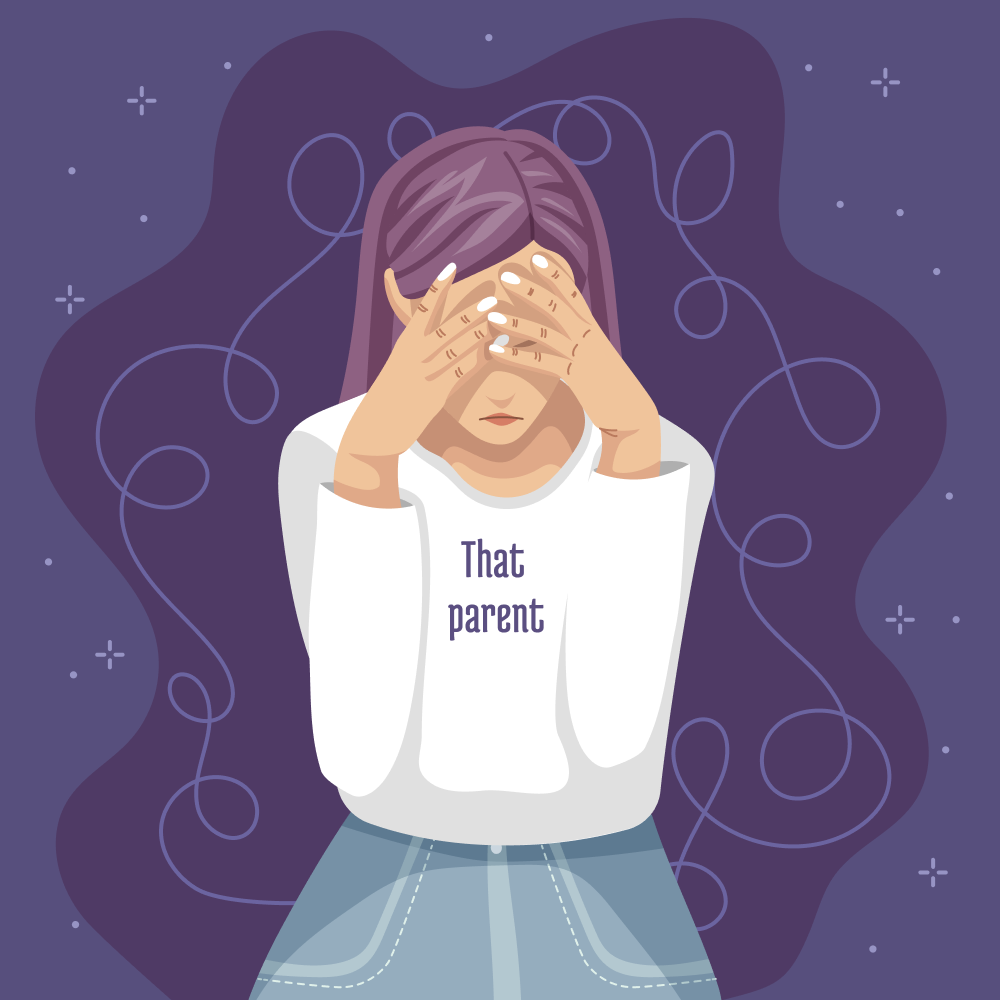
Revoking recess as a form of collective punishment
Rules intended for safety become instruments of collective punishment when they erase unstructured play from the school day, compounding distress for children who rely on movement, predictability and sensory regulation. this post examines the disproportionate impact on neurodivergent learners and proposes targeted interventions…
Seven years later
The pattern that began with December 2017 playground closure continued through increasing exclusion until Robin stayed home in bed in March of 2025 not leaving the house since.
I write this now because Vancouver School Board continues deploying collective punishment across its elementary schools, continues framing these practices as safety protocols, continues engineering peer conflict that positions disabled children as burdens their classmates must tolerate rather than students entitled to appropriate accommodation within inclusive environments.
The ice incident represents one moment in one kindergarten student’s experience, but the mechanism the principal deployed that day operates across every VSB school, targeting every disabled child whose behaviour the district finds inconvenient to accommodate appropriately.
When schools close playgrounds because disabled children seek sensory input, they reveal institutional priorities clearly: they choose convenience over accommodation, efficiency over inclusion, and collective punishment over the sustained labor required to support disabled children’s participation in the environments their non-disabled peers access without restriction.
-
Why I won’t stop in 2026
The principal used collective punishment against my child almost two years ago, and yet I remain unreconciled to what she did. People suggest moving on, starting fresh, forgiving. Schools are obsessed with ‘fresh starts,’ framing each September as reset opportunity, as though institutional…