I’ve been reading exclusion data that most people will never see. Two BC school districts—New Westminster (SD40) and Southeast Kootenay (SD5)—publicly released their submissions to the BC Ombudsperson’s investigation into student exclusion. SD40 reported 177 formally documented incidents over three years. SD5 reported enough partial-day programming to total approximately 3.4k+ exclusion-days.
My children don’t appear in either dataset. We live in Vancouver. But more than that: we’ve never had an official exclusion, that I know of, though documentation is very light. No suspension letter. I remember once they threatened to suspend my kindergartener for trying to strangle his teacher. They said it would go on his permanent record and that made my forehead crease in an ugly way as I contemplated what I was supposed to say to that. You want to suspend a kindergartener?
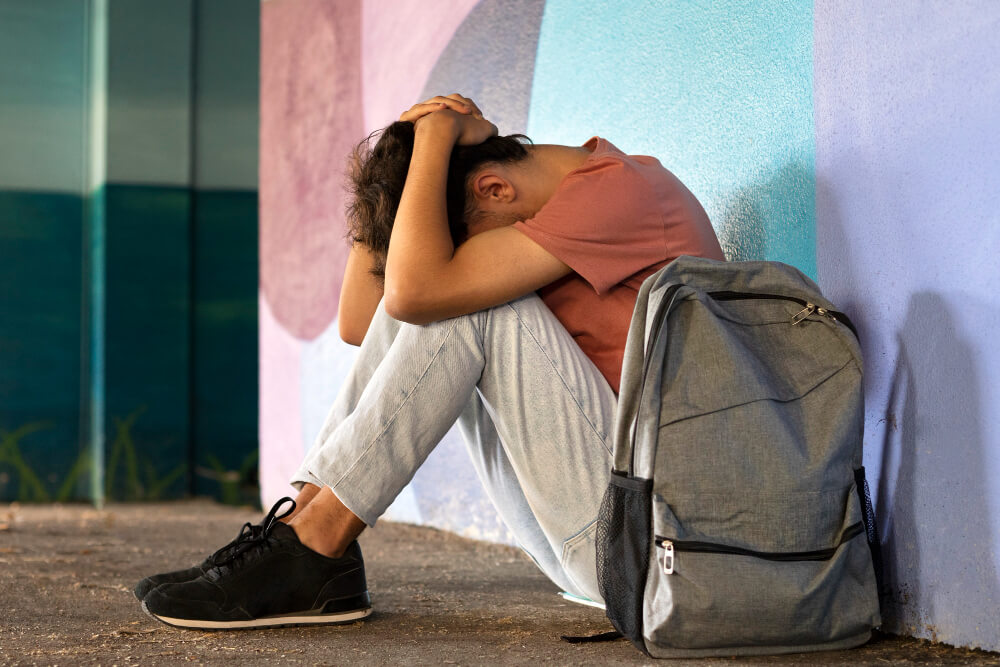
My children have missed months of school because the Vancouver education system has failed so colossally that they are traumatised, and I am continually trying to help them manage debilitating stress that should never have been theirs to carry. When I call the sick line, I say something true—”My daughter can’t come today because she’s still recovering from what happened on Thursday”—and it gets recorded as “absent.” No context. No institutional accountability. Just another tick mark in an attendance record that will be used against me in custody disputes.
This year, I’m not bothering to report. I know the true cause of all missed classes so far is “Institutional Failure.” Put that in your picklist, you jerks!
Absence due to parental discernment and care is a category that is off the books.
-

Calling the exclusion line
Every morning, when we dial the school’s sick line, we enact a ritual that ought to acknowledge more than a fever or a stomach ache. In theory, this system exists to safeguard children who cannot attend school due to illness. In practice, it masks the institutional harms that shape our…

Trigger warning: This piece includes discussion of suicidality, self harm, and the death of a friend linked to institutional harm. Readers who experience distress or face harm in their own lives may wish to read this one with their eyes half-closed and their counsellor on speed dial.
The body count no one’s tracking
I’ve known people who think about killing themselves because it feels so horrible living the day-to-day of sending their children to school in this system. There’s been days where I’ve hurt myself after dropping my kids off. Because it feels so horrible condemning them to be there, but I’m afraid of the repercussions of not sending them, and my own pain feels easier than facing the rest.
We don’t want to harm our children and the system is torturing many neurodivergent children.
I type confessions with people late at night who are holding on by their fingernails. Parents who’ve absorbed so much institutional violence that their bodies are failing—heart disease (heartbreak=heart attack), the inability to feel joy in anything anymore, stress-induced illness that doctors can’t quite name but that we all recognise in each other. We know what crushed chest syndrome feels like. We know about waking at 3 a.m. with our nervous systems screaming. We wrote 500,000 words, trying to tell someone what institutional harm feels like.
One of my friends is dead. She learned to distrust institutions through repeated institutional failures and when she needed it most, she didn’t take herself to hospital and she died.
She didn’t make it through what this system does to families who can see the harm but can’t stop it. Her child is neurodivergent. She fought as hard as any human can fight. And the fighting killed her.
When I read SD40 and SD5’s reports, I’m not reading about other people’s distant problems. I’m reading about the same structural forces that killed my friend. The same biographical justification (“complex needs”). The same code of conduct violations that are really unmet support needs. The same “parent choice” that means a parent finally broke under pressure that should never have existed.
Someone has to count this. Someone has to say their names, even when districts can’t. Someone has to make visible what districts work so hard to keep hidden.
What official exclusion data doesn’t measure
My daughter’s interim report arrived this week. Twenty-seven absences in the class she’s been trying hardest to attend. Other teachers reported 24, 17, four. My son has 100% exclusion. He’s in bed from burnout from institutional harm. No official exclusion recorded anywhere. Just a boy who won’t leave the house anymore.
These numbers don’t appear in Vancouver’s exclusion data because it is assumed they’re not there because of a wee cold or a dentist appointment.
Every one of those absences resulted from school conditions that made attendance harmful: The days of dysregulation, reverberating from another encounter with a teacher who apparently had no exposure to her IEP. The days after a teacher violated her privacy and she couldn’t stop shaking. The mornings when I could see she was already dysregulated and sending her in would compound trauma rather than provide education. The days she was crying before she got through the door because she wanted to see her friends, but couldn’t cope with a lot of discriminatory bullshit. I just want one day where it’s not traumatising and destabilising!
These are exclusions. They result from institutional failure. But because parents manage them ourselves—because we’re the ones making the impossible calculation about whether school is safe enough today—districts never count them.
The same pattern appears across every parent I know who’s fighting this system: We keep our children home to protect them from harm. The district records it as absence without cause. We get blamed for poor attendance. Our ex-partners weaponise the attendance data against us in custody disputes. The school uses the absence rate as evidence that we’re not invested in our child’s education.
And nowhere in any official record does it say: This child missed school because the institution failed to provide a safe, accessible learning environment.
The double bind that’s killing us
I’m autistic. That means my nervous system detects patterns, inconsistencies, and subtle environmental cues that others miss or have learned to ignore. I register when something isn’t safe long before others notice. In systems that rely on unspoken rules and social smoothing, this makes me seem “intense” or “overreactive.”
But I’m not overreacting.
When my daughter comes home shaking, when she can’t sleep because she’s replaying what happened in class, when she starts having panic attacks about school mornings—my nervous system is accurate. Something genuinely isn’t safe. Someone genuinely needs to intervene.
But if I say that out loud, I’m dismissed as unstable, dramatic, uncooperative. If I stay silent and just manage the damage myself, my child keeps getting hurt and I get blamed for the attendance problems that result.
There is no way to be right. My child loses either way. And the fighting crushes something inside me—physically, literally. I can feel it in my chest. My body is giving up under stress that should not exist.
This is the double bind that killed my friend. The system creates conditions requiring protective withdrawal, then punishes families for withdrawing. It demands we send traumatised children back to the environments that traumatised them, then blames us when we can’t do it.
And all of this—every protective absence, every morning calculation, every impossible choice—remains invisible in official exclusion data.
-
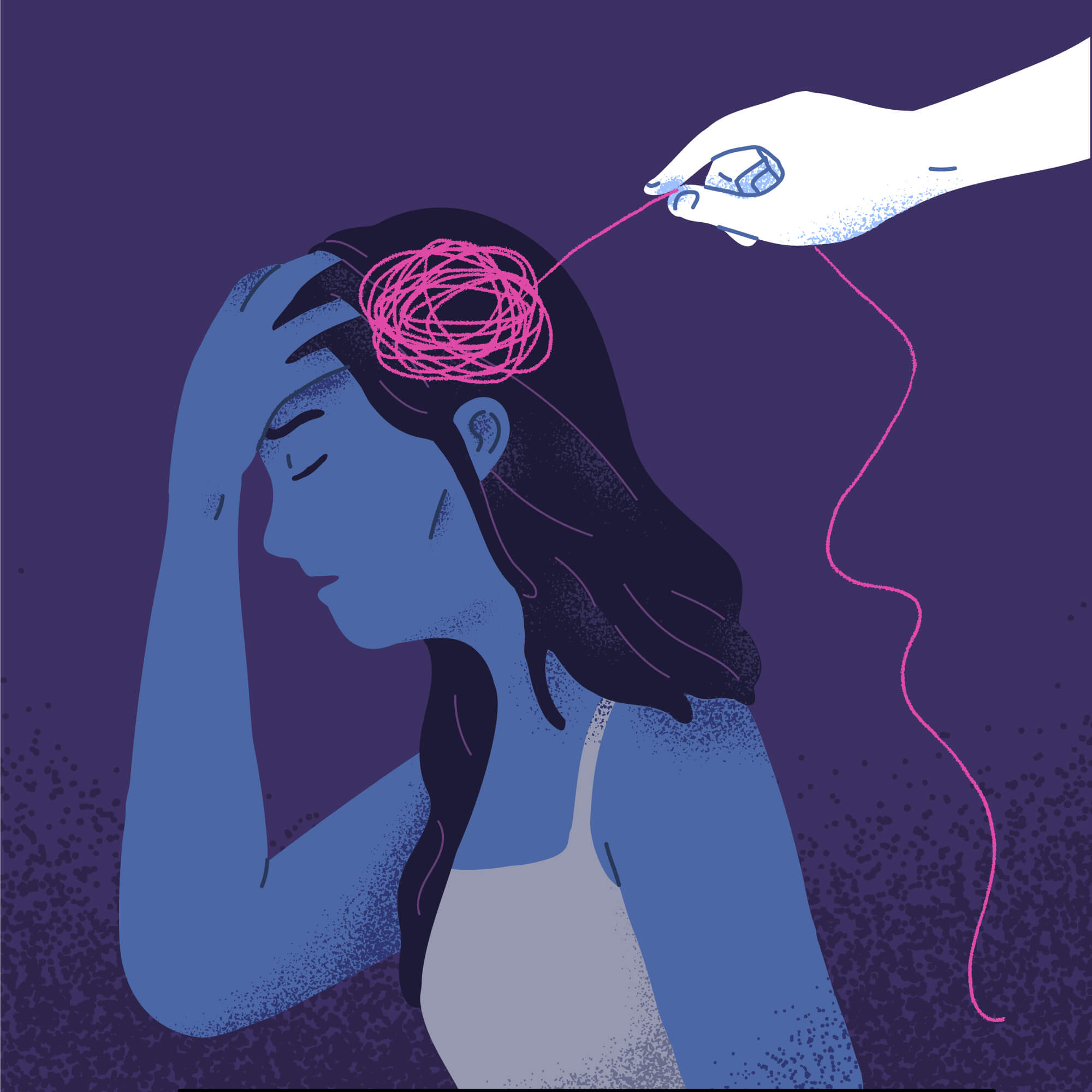
The unseen wounds of advocacy: caregiver burnout, moral injury, and embodied grief
Caregiver burnout in BC schools reflects moral injury and systemic betrayal, as mothers fight exclusion and harm while advocating for disabled children.
What I found when I started counting
When SD40 and SD5 released their reports, most people didn’t notice. Those who noticed mostly didn’t read them. Those who read them mostly didn’t analyse them.
I couldn’t not analyse them.
Once I see a pattern, I can’t unsee it. And what I found in those reports was the same harm that’s crushing my family, just documented differently.
I spent hours extracting records into a spreadsheet, trying to decode schedules described as “Oct. 28 – Nov 20 – Attended 8:45 – 11:40 but full days Wednesdays; Nov 21 – Jan 17 – Full days on Tuesdays and Wednesdays…” The opacity seems part of the design.
But let me show you what I found when I started counting anyway.
The documentation gap
Fraser River Middle School reported 15 exclusions with “(none provided)” for reason, educational program, and guardian consent. Not missing by accident. Just blank. No explanation for why children lost access to school. No description of what instruction they received instead. No record of whether their parents even knew.
- Power Alternate Secondary: eight suspensions, complete documentation gaps.
- SIGMA: 30 suspension days, nothing recorded.
- Royal City Alternate: two suspensions, no documentation.
The schools serving students who’ve already experienced educational disruption—alternate programs designed as “last chance” placements—show the highest rates of further exclusion and the least documentation of why.
“Not adhering to code of conduct” as institutional camouflage
Fifty entries across SD40’s dataset use this exact phrase. Fifty times a child lost access to school for failing to follow rules written as if all bodies regulate, communicate, and recover in the same way.
Not one entry documents:
- Sensory overload
- Missing accommodations
- Staff training gaps
- Relationship instability
- Environmental barriers
- Unmet support needs
The phrase functions as camouflage. It describes the visible moment while erasing everything that shaped it. When a district records “Not adhering to Code of Conduct” fifty times without describing what supports were attempted, it’s not documenting defiance. It’s documenting the collision between inflexible expectations and children whose regulatory profiles require scaffolding the school couldn’t provide.
I’ve been writing neurodiversity-informed conduct code critiques for months because I keep seeing this pattern: behavioural expectations presented as neutral while the support structures required to meet them remain undefined or optional.
Biographical justification masking systemic failure
SD5’s report includes an entry listing a young child’s immigration from an African country as rationale for reduced school hours. In a region where visible minorities represent a tiny fraction of the population, this detail doesn’t just risk identifying the child—it reveals how districts use personal biography to naturalise exclusion.
The pattern appears across both districts:
- “Complex needs”
- “Student with ASD”
- “Special needs”
- “Student moved from [country] highly unregulated”
- “Student stamina”
These entries describe who the child is rather than what the school failed to provide. They convert structural insufficiency into apparent necessity, casting reduced access as a tailored response to the child’s characteristics instead of evidence the environment lacked adequate support.
This is what killed my friend. Not her child’s neurodivergence. Not her family’s complexity. The system’s refusal to name its own failures, its insistence on locating the problem in the child’s body rather than in institutional capacity.
“Parent choice” as coerced consent
Eighteen entries across both districts are labelled “Parent Choice” or “Parent and School supported plan.”
How many represent genuine choice?
How many represent parents burned out from repeated emergency pickups, financially strained from lost work, pressured to accept reduced schedules because the alternative was daily crisis calls?
How many represent what happened to me: keeping my child home because the environment had become so harmful that sending her back felt like complicity?
“Parent Choice” appears when families run out of options. It’s what gets recorded when a parent finally says “fine, we’ll do partial days” after months of the school saying they can’t provide adequate supervision, can’t maintain consistent staffing, can’t ensure safety.
Consent under constraint is still constraint. But it shows up in the data as parent decision rather than institutional failure.
The rudeness trap
Several entries cite “rudeness,” “disrespect,” or “swearing at adults” as justification for exclusion. One specifies: “Respecting the rights of individuals, swearing at adults supporting him.”
These rationales reveal an institutional culture organised around adult comfort rather than student access. A school with stable staffing and emotionally grounded relationships would absorb verbal friction as communication of distress, not cause for removal.
Neurodivergent communication often shifts under stress—flattened affect, clipped speech, intensity, abrupt transitions. Without trauma-informed interpretation, these expressions read as defiance. Instead of prompting support, they trigger withdrawal.
My daughter has been labelled rude for communication patterns that are actually stress responses. The same patterns I have. The autism that helps me detect harm early also shapes how I communicate under pressure—and schools read that as insubordination rather than information.
What the numbers actually measure
- SD40 reported: ~170 formally documented exclusion days over three years
- SD5 reported: ~3.4K exclusion days over three years
- My daughter experienced: 27 absences this term in one class alone (on the low side)
- My son experienced: 100% exclusion. In bed from burnout. Won’t leave the house anymore
Parent-managed protective withdrawal equals more exclusion than entire formal categories.
The Ombudsperson investigation asked districts to report exclusions. Districts reported what they formally document. But the largest category—parent-managed protective withdrawal—remains completely outside the frame.
This means:
- The true scale of exclusion is invisible
- Disabled and neurodivergent students’ disproportionate experience is hidden
- Parents bear the burden of protecting children while being blamed for “poor attendance”
- Districts avoid accountability for conditions that make attendance unsafe
- Custody disputes weaponise data created by institutional failure
And parents like my friend—parents who couldn’t survive the grinding violence of this double bind—don’t appear anywhere at all.
-
District exclusion reasons
A review of exclusion records from New Westminster (SD40) and Southeast Kootenay (SD5) reveals a consistent pattern: the stated reasons for exclusion drift toward biography, circumstance, and administrative decisions rather than the educational factors that legitimately shape access to full-time schooling. The records describe personality traits, incidental details, and complex life contexts, while offering limited […]

Why I can’t stop counting
Every hour I spend analysing these reports is an hour my body begs me to stop. But I can’t look away. Once you see the pattern, you can’t unsee it. Once you recognise the gap between what districts report and what’s actually happening, the knowledge creates moral obligation.
Because if I don’t count this, who will?
The districts won’t count parent-managed exclusion. It would require admitting the conditions they create necessitate protective withdrawal. The Ombudsperson can’t count what districts don’t report. The investigation relies on what institutions choose to document. Researchers won’t count it because the data doesn’t exist in accessible form.
And the parents living it are too busy surviving to analyse it. They’re making morning calculations about whether school is safe. They’re fielding calls from teachers. They’re managing custody disputes. They’re developing stress-induced illness. Some of them are dying.
Someone has to make this visible. Someone has to say: the data you’re seeing is the tip of an enormous iceberg. The bulk remains hidden because districts don’t count exclusion that parents absorb.
I’m doing this analysis because my children deserve a record that tells the truth. Because other families need to see the patterns made visible. Because the Ombudsperson investigation needs data it’s not receiving. Because someone has to bear witness to what’s being systematically erased.
Every meeting where I stayed quiet, every time I hoped portraying myself a certain way might stop my children being harmed, those moments didn’t disappear. They got stuck. I had so much pain in my chest and throat. Cancelled screams. Unsaid truths.
What I’ve learned is that telling the truth—even when it’s messy, painful, dangerous—is the only way to get that poison out. Writing this analysis, sharing it with thousands of people, breaks the isolation. It creates a different kind of justice. Not the kind that comes from institutions acknowledging harm—they almost never do. But the kind that comes from refusing silence, from writing truth into the public record, from making visible what systems work so hard to keep hidden.
What the Ombudsperson needs to know
If your final report (expected by end of 2025) relies only on what districts formally documented, you will miss the majority of actual exclusion—especially for disabled and neurodivergent students.
You need to count:
- Parent-managed protective withdrawal
- Informal send-homes
- Partial days arranged under pressure
- The absences that result from trauma recovery
- The families who don’t survive this system
You need to require:
- Absence data analysed by designation
- Documentation of what supports were offered before exclusion
- True reasons captured when parents call the sick line
- Analysis of patterns showing which students, schools, and teachers generate the highest absence rates
Right now you’re only counting what institutions choose to document. That’s not the same as counting what’s real.
The data SD40 and SD5 provided shows the tip of a much larger structure. The bulk remains invisible because districts don’t count exclusion that parents absorb—and because some parents don’t survive to report it.
For parents
Keep your own records. Note dates, times, true reasons. Save confirmation emails. Document what you said to the sick line and what got recorded instead. Build your own dataset because the official one is designed to erase your reality.
You’re not alone in the impossible position. You’re not overreacting. Your nervous system is accurate.