Anhedonia is defined as the loss of interest, enjoyment, or pleasure in life’s experiences. You may lose the desire to be with others or to do the things that once brought delight. It is often listed as a symptom, as though it arrives like a visitor rather than being summoned by the conditions of your life.
For me, it came quietly. Somewhere around my children’s third grade, I stopped wanting things—and, more hauntingly, stopped liking the things I used to love. The small rituals of joy, the simple cravings of a person who once had space to want, faded into a kind of stillness. There was no single moment of transformation, no rupture, no drama—only the slow and sickening rhythm of repetition. Each morning I watched my precious creatures wave goodbye from the schoolyard, and each afternoon I received them back more hollowed, more hurt, more tightly bound in shame and confusion. Each evening I stitched them together again, threadbare and trembling, only to repeat the same pattern with less thread and more fear. The cycle became unbearable in its predictability, and eventually, the act of wanting itself became impossible.
I began to recede, first from the world of small pleasures, then from the interior world of imagination. What remained of me were two selves that never met but always bled: the caretaker and the worker. I cared for my children, which mostly meant repairing the damage school inflicted, and I worked, which mostly meant enduring the pull of multiple directions while smiling through it.
Love and other casualties
That was also the season when my marriage ended—not with a shattering, but through erosion, the slow grinding pain that leaves dust and abscence. We stopped meeting each other through the rubble. Intimacy dissolved. The laughter that once tethered us thinned out. The shared dreaming evaporated. I began to dislike the things we had built together. I disliked him. I disliked everything.
It is easy to turn anger toward the person closest to you when civility must be maintained toward the people harming your children. So I smiled through school meetings, performing patience for professionals who mistook it for agreement, and then came home and screamed about socks on the floor. Because it is easier to rage about socks than to scream about systems.
The pain filled the air we breathed. The house itself became taut with tension. The joy we had once poured into our garden, our meals, our children, turned into a myth—a story we told but could no longer feel. In time, love collapsed beneath those weights. He was forsaken. We were both broken.
The doctor’s office and the wrong diagnosis
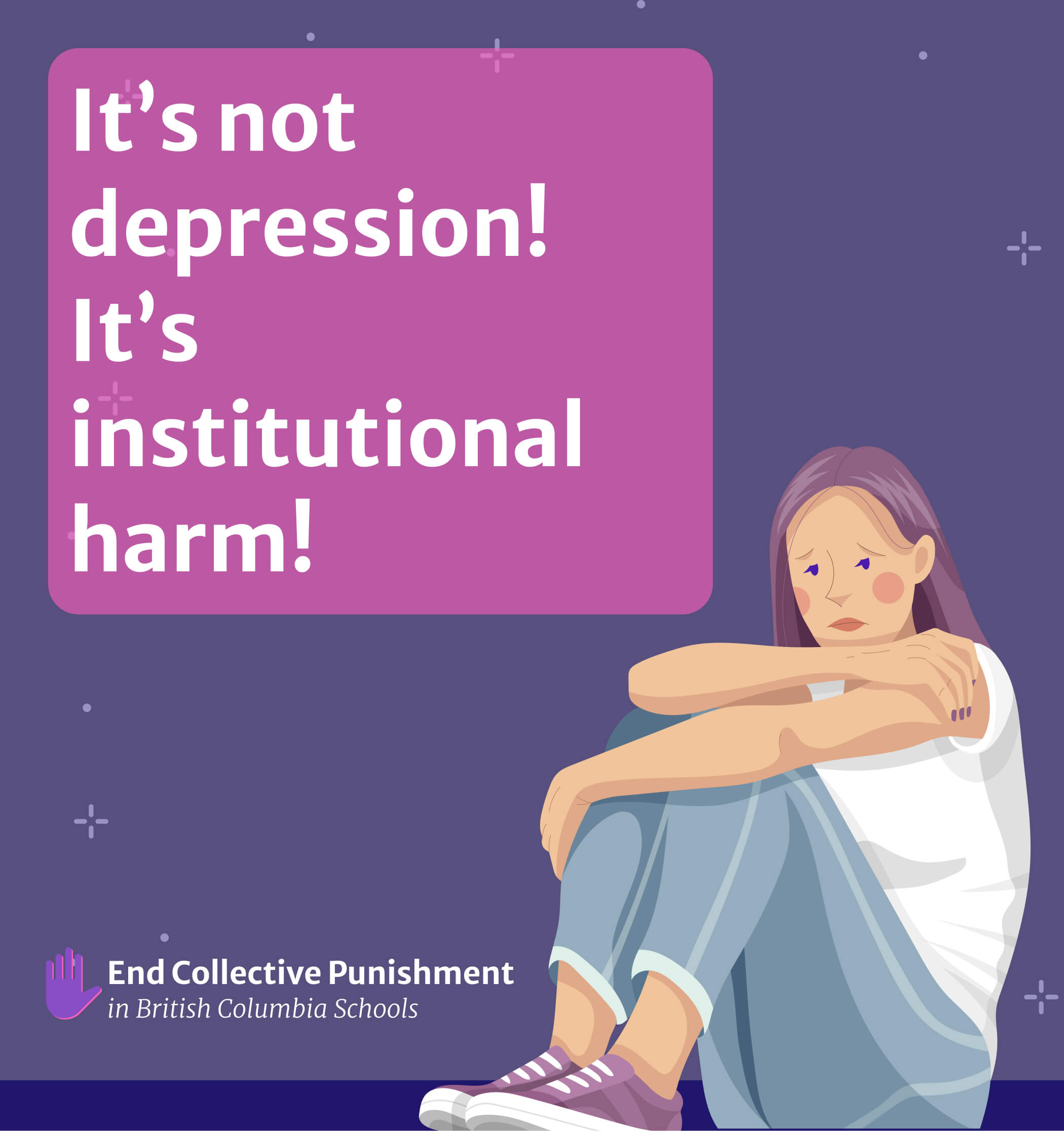
Every few months I sat in my doctor’s office, crying before she even asked how I was doing. I would spill everything—what the school was doing, what the children were enduring, what it felt like to live without rest—and she would nod with professional compassion and suggest another increase to my antidepressant. Through tears, I would nod too, because what else could I do? But inside, a fierce recognition burned: I am being harmed by institutions.
There is a difference between personal sadness and systemic grief, between anhedonia and moral devastation. Yet medicine, like education, prefers to name suffering as individual malfunction. If my despair is chemical, no one must change policy. No one must apologise. No one must take responsibility. But my pain was proportional; it made sense. It was the only sane response to watching my children be broken by the system while I smiled and nodded through meetings designed to blame me.
The school meeting
I remember the look on their faces when they believed they had found a new solution—bright, animated, eager. Have you done another intake through Child and Youth Mental Health? Yes, I said. Well, we think there’s more you can do before we consider additional support.
There was always more. More hoops, more forms, more errands. Endless deferral masquerading as progress, as though bureaucracy itself could teach resilience. They never acknowledged what had been done. They never said thank you or we’re sorry. They simply invented new ways for me to fail.
In those meetings I felt the same fog of confusion and self-blame I had once felt in an abusive relationship—the sense that you are broken, stupid, always behind. They buried me in protocol, and I stayed polite, believing kindness might earn mercy. But systems do not know mercy.
-

The unseen wounds of advocacy: caregiver burnout, moral injury, and embodied grief
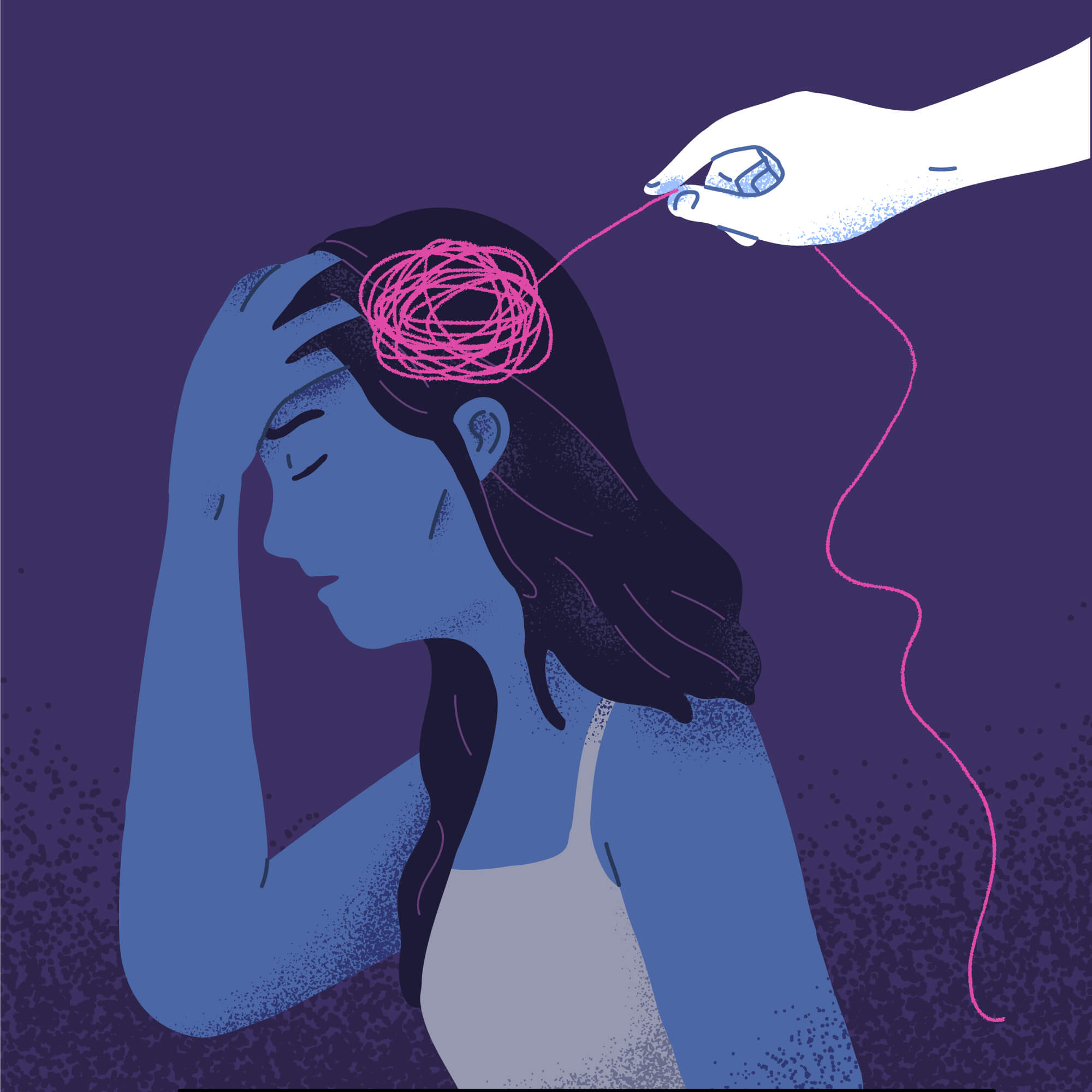
Caregiver burnout in BC schools reflects moral injury and systemic betrayal, as mothers fight exclusion and harm while advocating for disabled children.
The institutional recipe for despair
To endure this kind of collapse, you must fracture yourself. You learn to file paperwork with one hand while holding your child with the other. You anticipate blame before it arrives. You document everything—hundreds, thousands of hours of record-keeping. You absorb the expectation that your children’s pain is your fault. You learn their language—neutral, deferential, process-oriented—while holding your own truth beneath the surface.
They want parents to be helpful but unquestioning, present but obedient, calm in their grief. When you bring expertise, they punish you. When you bring emotion, they dismiss you. When you bring both, they pathologise you. And still, you return, because your children need you more than you need relief.
The moment of recognition
Somewhere in that long winter of unraveling, I understood that this was not personal failure—it was structural violence. This was what systemic harm looks like. This was what it means to love your children more fiercely than the system allows.
That recognition did not restore a marriage or revive joy or repair a school. But it gave me language. It gave me ground. And language, even when born of ruin, is a kind of homecoming.
Sometimes the most powerful thing a parent can do is survive long enough to speak clearly.
And sometimes that is all there is.