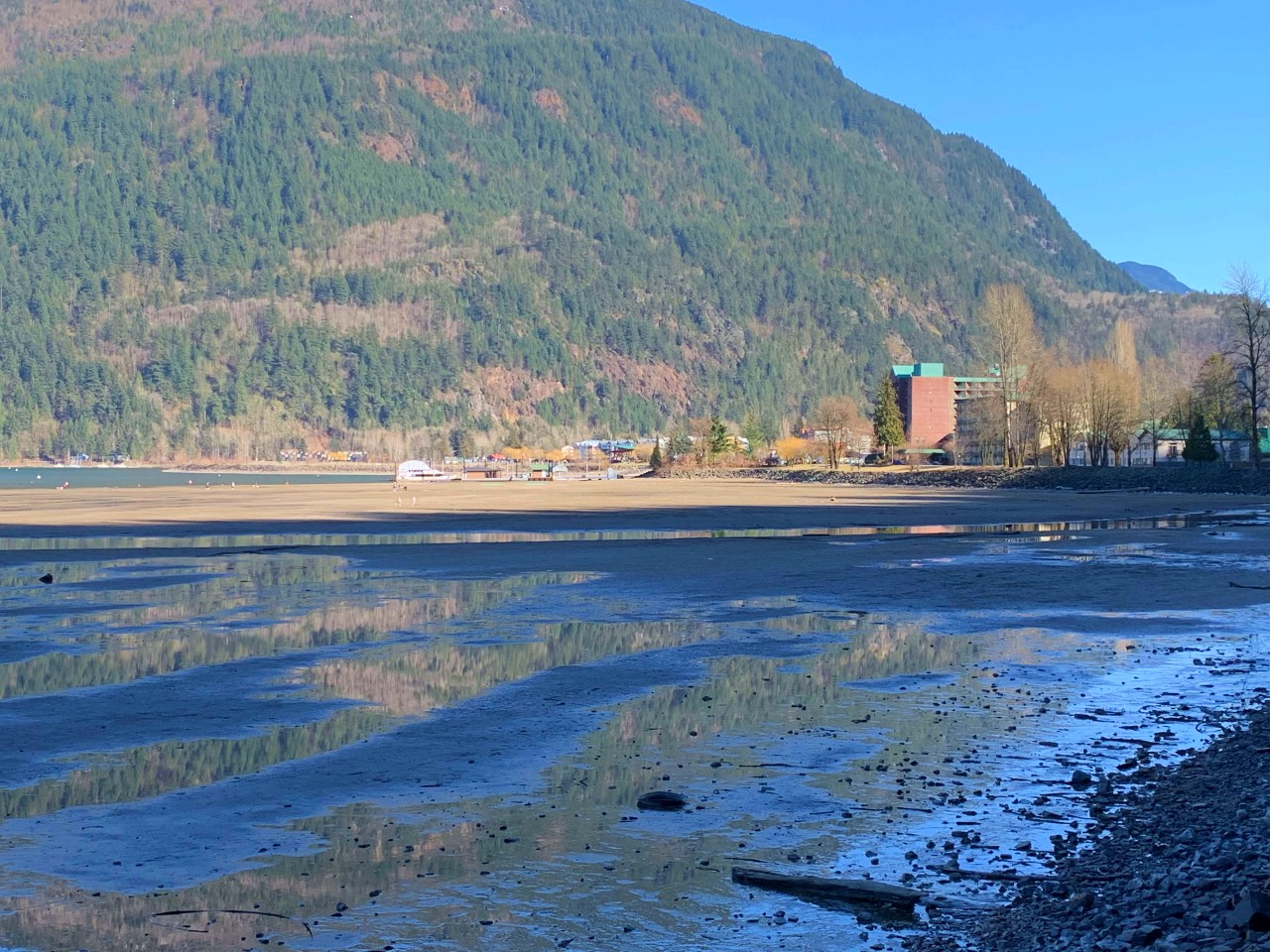
The spears came out fast when news broke that Coquitlam School District had spent $38,000 on a professional development retreat at Harrison Hot Springs—sharp, righteous, aimed directly at teachers who dared to spend two days somewhere pleasant while children sat in hallways, while families scrambled to find care for kids sent home at noon because there weren’t enough educational assistants, while disabled students cycled through partial schedules and safety plans that were really just elegant ways of saying “we can’t accommodate your child.” The outrage percolated in advocacy circles, each message carrying the same furious logic: how dare they spend money on a resort when our children’s needs go unmet, how dare they rest in comfort while we’re drowning, how dare they have anything approaching ease while disabled kids are being excluded from the education they’re legally entitled to receive.
But here’s what the headlines buried, what the outrage obscured: the eighty-eight mentor teachers who attended that retreat worked for free. They volunteered their Friday evening and their entire Saturday, gave the district their labour without compensation, donated their personal time to professional development the district decided was valuable enough to require but not valuable enough to pay for. The $38,000 covered food, lodging, room rentals, and facilitator fees. The teachers’ time—the expertise they shared, the mentorship they provided, the labour they performed—cost the district nothing. And the public outcry wasn’t about that exploitation. The outcry was about the fact that while being exploited, the teachers got to stay somewhere nice.
This is exhaustion as governance at its most vicious: extract labour without compensation, and then police whether the conditions of that extraction are sufficiently austere. Make people work for free, and then rage at them if the unpaid work happens somewhere that might feel like recognition rather than punishment. Demand that teachers give their time without pay, and then insist they perform gratitude for the opportunity to be exploited, preferably in a setting that looks appropriately modest so no one can accuse them of luxury while children suffer.
The economics of resentment
The anger is real, born from years of fighting systems that respond to accommodation requests with budget constraints and risk assessments and gentle suggestions that maybe homeschooling would be better for everyone. Parents watch their children deteriorate because schools can’t provide what they need, spend their own money on private supports because districts won’t fund public ones, hear again and again that resources are limited while watching those same limited resources get allocated to everything except their child’s survival. The fury is earned. The spears are sharp for a reason. And the system has trained everyone to aim those spears at each other rather than at the structure that creates the scarcity in the first place.
Because while parents rage at teachers for attending a retreat at a resort, the actual economics tell a different story. The district defended Harrison Hot Springs by noting that conducting the training during the school week would have cost more—$450 to $500 per day for each Teacher Teaching on Call needed to cover classes while mentor teachers attended workshops. By requiring teachers to volunteer their weekend, by extracting their labour without compensation, the district saved tens of thousands of dollars. The retreat wasn’t expensive because teachers were pampered. The retreat was cheap because teachers were exploited. And the public response wasn’t outrage at the exploitation—it was outrage at the amenities.
This is how scarcity ideology operates: it teaches us to police each other’s access to dignity, to measure harm in terms of relative deprivation rather than absolute need, to believe that someone else’s small comfort comes at the cost of our own survival. It convinces parents that teachers having a pleasant professional development experience means less money for educational assistants, when the actual budget tells us that districts somehow find money for behaviour management consultants and surveillance systems and standardised testing infrastructure while claiming they cannot afford to reduce class sizes or increase specialist allocations or pay teachers for the labour they perform on weekends. The money exists. The resources are there. They’re just being spent on everything except what would actually address the harm.
-

Engineered famine in public education
In British Columbia schools today, we are not facing a behaviour crisis—we are facing a famine of care. This essay weaves together personal memory, systemic critique, and deep empathy for teachers and families alike to ask why our schools are starving the very…

The architecture of acceptable suffering
The implicit logic is breathtaking in its cruelty: teachers should work for free, and they should do it somewhere that signals their work is valueless. They should give their time without compensation, and they should be grateful for the opportunity. They should sacrifice their weekends, and they should do it in a setting that makes the sacrifice visible, that performs austerity, that reassures everyone watching that no one is enjoying themselves while children suffer. Because god forbid someone who works in public education—someone who manages classrooms of twenty-six students with needs that would require ratios of one-to-eight, who covers for absent colleagues because districts can’t find substitute teachers, who implements behaviour plans they weren’t trained to execute, who attends meetings about trauma-informed practice at four in the afternoon when everyone is already running on fumes—god forbid that person spend a weekend somewhere pleasant while working for free.
The outrage reveals something essential about how we understand labour in education: we believe teachers should be available infinitely, should give endlessly, should accept exploitation as vocational calling, and should never, ever appear to enjoy the conditions under which they’re being exploited. We believe their work is important enough to demand it for free but not important enough to compensate. We believe professional development is valuable enough to require but not valuable enough to schedule during paid work time. We believe teacher expertise matters enough to extract but not enough to recognise with anything approaching dignity or pleasure. And we believe all of this so deeply, so unquestioningly, that when a district hosts unpaid professional development at a location with amenities, the scandal isn’t the unpaid labour—it’s the amenities.
This is governance through exhaustion made visible: not just the depletion itself, but the demand that the depletion be performed correctly, that suffering be visible and austere and stripped of anything that might feel like care or recognition or basic human dignity.
What volunteers for free
Eighty-eight mentor teachers gave the district sixteen hours of labour each—1,408 hours of professional expertise, freely donated. At BC teacher rates, that labour is worth somewhere between $70,000 and $100,000. The district paid $38,000 for food, lodging, space, and facilitators. The teachers’ time—their knowledge, their experience, their capacity to mentor and guide and support other teachers through a system that’s grinding everyone down—was free. The district extracted six figures worth of labour and spent less than half that amount to create conditions where teachers might actually want to show up.
And this is where the governance operates most insidiously: by requiring teachers to volunteer their time, the district ensures that only those who can afford to give labour for free will participate. Teachers with young children at home, teachers with second jobs to make rent, teachers with disabilities that make weekend work exhausting, teachers who need their weekends to recover from weeks that already demand everything they have—those teachers cannot afford to volunteer. The mentorship program, ostensibly designed to support all teachers, selects for those with enough privilege to work without compensation. And then, having designed a system that extracts labour from those who can afford to give it for free, the district offers the bare minimum incentive—a pleasant location, decent meals, accommodations that don’t require driving home exhausted late Saturday night—and the public response is fury.
The violence of unpaid labour
The mentor teachers at Harrison Hot Springs weren’t on vacation. They were working. They spent Friday evening and all day Saturday engaged in intensive professional development—sharing strategies, learning approaches, discussing how to support newer teachers who are drowning in the same impossible conditions. They were doing labour the district decided was essential, valuable enough to require but not valuable enough to compensate. And the scandal, apparently, is that while doing this unpaid work, they got to sleep in comfortable beds and eat food they didn’t have to prepare themselves.
The professional development weekend at Harrison Hot Springs should have been controversial for entirely different reasons. The scandal should have been that the district required sixteen hundred hours of professional labour without compensation. The outrage should have been that teachers are expected to give their weekends, their personal time, their rest and recovery to professional development the district deems essential but refuses to pay for. The fury should have been directed at a system that relies on exploitation and then provides just enough amenity to make the exploitation tolerable, that extracts labour for free and then calls it volunteerism, that requires people to work without pay and then acts like the work has no value.
-
The role of infighting in maintaining scarcity, hierarchies, and exclusion
This piece is unfinished, but it feels necessary. I am still learning how to move through anger toward something that might resemble repair or solidarity. I am not writing a strategy or a manifesto; I am writing what I see, what keeps happening,…

The manufactured conflict
While parents and teachers argue about whether unpaid professional development should happen at resorts, the actual budget decisions that create scarcity for everyone remain untouched, unquestioned, safely beyond the reach of anyone’s rage. While people fight over whether teachers deserve amenities while working for free, the district continues extracting unpaid labour and the province continues underfunding education and the procurement officer continues signing contracts that enrich consultants while providing nothing that actually improves conditions for students or staff. The anger is real. The harm is real. And all of it gets directed at each other instead of at the structure that creates the conditions where everyone is struggling.
The district that requires teachers to volunteer sixteen hundred hours of professional labour somehow has budget for behaviour management consultants who teach compliance instead of accommodation. The province that announces funding freezes for education somehow finds money for standardised testing infrastructure and surveillance systems. The system that claims it cannot afford to reduce class sizes or increase specialist allocations or schedule professional development during paid work time somehow allocates resources to initiatives that measure and audit and track without providing actual support. The money exists. It’s just being spent on everything except what would address the exhaustion, the exploitation, the systematic deprivation of the resources that would make anyone’s job possible.
And this is intentional. This is governance. Because if teachers had adequate compensation and reasonable workloads and weren’t required to volunteer their expertise for free, some of them would have bandwidth to organise, to challenge, to demand better. If parents had children thriving in properly resourced classrooms, some of them would notice that the scarcity isn’t inevitable, that the budget constraints are choices, that the system is designed to produce exactly these conditions. If everyone had enough—enough pay, enough support, enough resources, enough rest—the system couldn’t function the way it currently does, which is to say it couldn’t extract maximum labour while providing minimum compensation, couldn’t exclude disabled children while calling it safety, couldn’t exploit everyone involved while maintaining the fiction that this is just how schools work.
The exhaustion is the point. The exploitation is the mechanism. The manufactured conflict—parents versus teachers, rage at amenities instead of rage at unpaid labour—is how the system protects itself from scrutiny. Keep everyone too tired to see the pattern. Keep everyone fighting over insufficient resources. Keep everyone convinced that the problem is each other rather than the structure that creates the scarcity.
What we refuse to question
The weekend at Harrison Hot Springs wasn’t excessive. It was exploitative—but the exploitation was the unpaid labour, not the location. The scandal wasn’t that teachers stayed somewhere pleasant. The scandal was that the district extracted sixteen hundred hours of professional expertise without compensation and then faced public fury not for the extraction but for making the extraction tolerable. The violence wasn’t the amenities. The violence was the demand that teachers give their time for free, do it with visible suffering, accept that their expertise is valuable enough to require but worthless enough that compensating it feels unreasonable, and never expect that donating professional labour might be met with anything approaching respect or recognition or basic care.
We accepted that teachers should work for free. We accepted that professional development essential enough to require isn’t valuable enough to schedule during paid time. We accepted that districts can demand labour without compensation and call it volunteerism. We accepted all the exploitation as normal, as given, as just how education works. The only thing we couldn’t accept was that while being exploited, teachers might not suffer visibly enough. That while giving their expertise freely, they might be fed well and sleep comfortably and experience something other than punishment for their donation.
The spears are pointed in the wrong direction. The problem isn’t teachers accepting amenities while working for free. The problem is a system that requires them to work for free at all. The problem is districts that extract professional expertise without compensation and provinces that underfund education and procurement processes that enrich consultants while claiming there’s no money to pay teachers for mentorship. The problem is governance through exhaustion, through exploitation dressed as volunteerism, through the systematic extraction of labour from people too depleted to refuse and then the careful management of public rage so it lands on workers instead of on the structure that exploits them.
And until we can name the unpaid labour as the violence instead of raging at the conditions that made the unpaid labour tolerable, until we can direct our fury at the system that extracts rather than at the workers who gave freely and dared to not suffer enough while doing it—the exploitation will continue. The extraction will deepen. The exhaustion will compound. And everyone will keep drowning while convinced that the problem is each other, that teachers getting decent meals while working for free is somehow the crisis, that rage at amenities is justice while the actual theft of labour remains invisible, normalised, too ordinary to even name as harm.
-
Justice and dignity too expensive for BC NDP
In 2018, experts told BC exactly how to fix special education funding. The government has spent five years “consulting” instead. Meanwhile, your child sits in hallways. The 192% problem nobody wants to fund Between 2015 and 2024, autism designations in BC schools exploded…