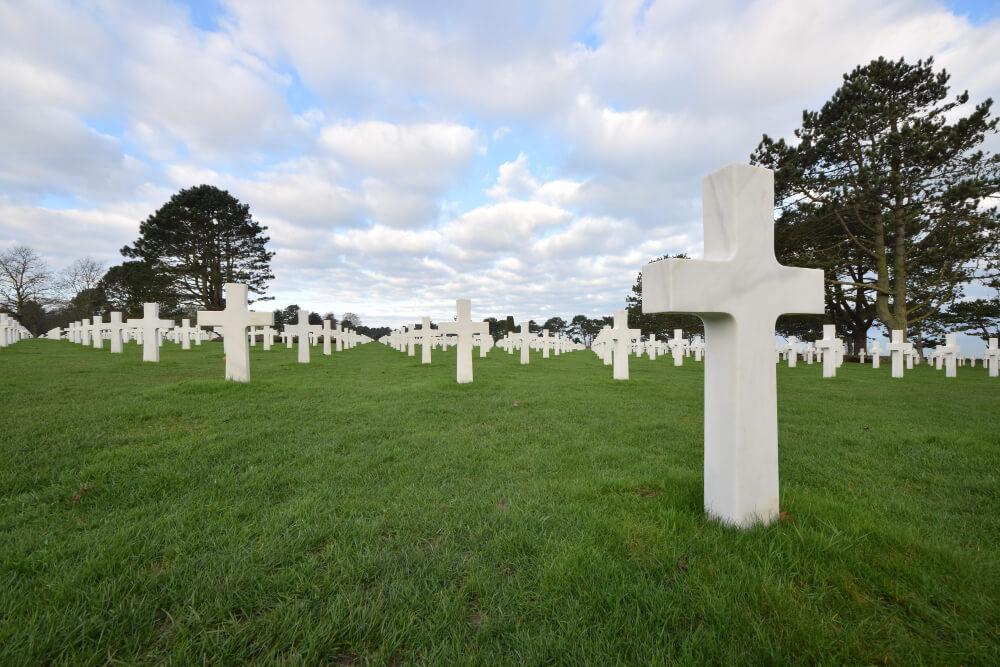
Each November, we are asked to pause—heads bowed, hearts heavy—to remember the lives destroyed by war. Yet remembrance without reckoning becomes ritual, a polished echo of conscience that lets the same moral logic continue unchallenged. Every essay in this series has exposed a fragment of that logic: how endurance became virtue, how obedience replaced empathy, how bureaucratic compassion disguised abandonment. Together, they show that remembrance means nothing if we refuse to confront the systems that keep reproducing harm in quieter forms, behind school doors and beneath administrative tone.
The comfort of exceptions
It is tempting to believe that because some classrooms are kind, some teachers gentle, some schools humane, the system itself can be absolved. Exceptions become alibis. They allow society to imagine cruelty as accident rather than structure, and empathy as personal rather than political. The truth is that goodness within a system designed for endurance does not undo the system’s violence; it merely makes the violence appear tolerable. A kind officer does not redeem a war. A patient teacher does not redeem a policy of exclusion. The presence of good people has never been the measure of justice; it has only ever been the measure of what we are willing to ignore.
The persistence of moral injury
In PTSD and moral injury in war and the classroom, we saw how bureaucratic obedience erodes conscience, how teachers and parents alike are trained to treat distress as procedural, and how moral injury festers when empathy must be suppressed to survive. In In genocide and the classroom, we traced how desensitisation becomes a cultural reflex, how calm is rehearsed until it replaces care. In Counting the wounded, we watched harm metabolised into paperwork, its victims converted into metrics. Across each text, the pattern holds: harm becomes normal not because everyone is cruel, but because institutions reward those who adapt.
The danger of partial remembrance
Remembrance Day asks us to honour sacrifice; true remembrance requires that we dismantle the conditions that demand it. To memorialise only soldiers while ignoring the civilians, the disabled children, the exhausted mothers, the educators conscripted into cruelty—is to practise selective grief. Every bureaucrat who delays a complaint until it expires, every principal who invokes calm to justify exclusion, every policymaker who calls austerity prudence participates in the same lineage of moral reasoning that once turned lives into numbers. The continuum is historical, not metaphorical. The harm is domestic, not distant.
The unfinished silence
At 11:11, the country stood still. Yet stillness is not peace. Peace is the work of reconstruction, of refusing to let quiet become complicity. Every delay, every erasure, every forced smile is a small rehearsal of empire. To end collective punishment—in schools or in nations—requires more than remembrance; it requires disruption. It requires admitting that endurance is not virtue when the wound is preventable, and that compassion is hollow when it stops at the border of policy.
-

Counting the wounded: how complaint systems and data bureaucracies erase harm
The same patterns of attrition described in The Ombudsperson and the war of attrition also define how governments manage harm in military and veterans’ systems. Delays in compensation, endless investigations, and deferrals justified as ‘process’ reveal that administrative time itself functions as an instrument of harm. What appears as prudence operates as quiet abandonment—an institutional strategy that […]
-
Bootcamp for mothers: how to send your disabled child to school
Each year around Remembrance Day, I find myself thinking about what it means to live inside a culture that trains endurance as its highest virtue. Across this series, I have been writing about how the language of war has infiltrated the spaces that claim to protect children. In genocide and the classroom examined how distress becomes procedural; The […]
-
Collective punishment in war and school
Every empire writes its morality through the safety of the bodies of children. Whether on the battlefield or in the classroom.
-
The longest deployment: sending my son to school
A reflection on maternal vigilance in a system that demands composure while inflicting harm. This essay follows a mother’s daily act of sending her autistic son into an environment that equates obedience with virtue and endurance with progress. It traces the quiet moral injury of cooperating with institutions that repeatedly harm the children they claim to serve.
-
A war on joy: discipline, obedience, and the disabled body
An examination of how education absorbs military and capitalist values—discipline, endurance, and efficiency—until joy becomes a threat to order. This piece argues that the rationing of joy for disabled students is both an ethical and structural failure, transforming learning into control and endurance into a false measure of worth.
-
The false economies of war and schooling
A critique of austerity as a governing principle. This essay argues that Canada’s education and defence systems share a moral and strategic collapse: both confuse restraint with wisdom and endurance with strength. It exposes how underfunding education produces economic waste, social decay, and moral injury across generations.
-
PTSD and moral injury in war and the classroom
An analysis of how bureaucratic obedience erodes conscience. Drawing on moral injury research from military and healthcare contexts, this essay reframes teacher burnout as institutional betrayal. It shows how educators are trained to suppress empathy and how that suppression mirrors the psychic injuries of combat.
-
In genocide and the classroom: the routinising of distress
A meditation on how institutions train people to ignore suffering—how desensitisation, scarcity, and forced optimism erode empathy and make harm seem ordinary.