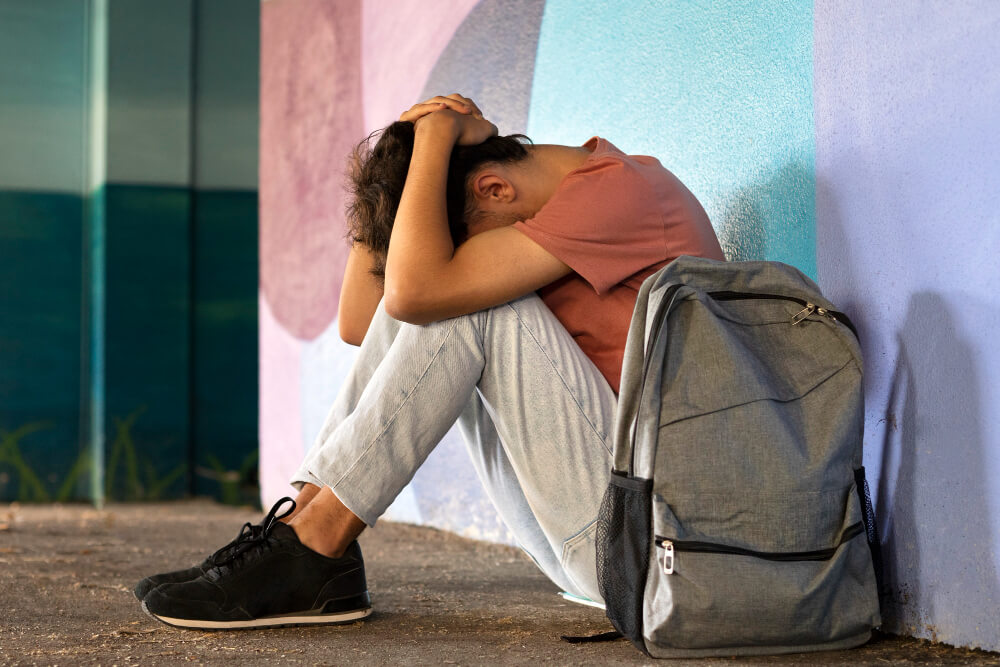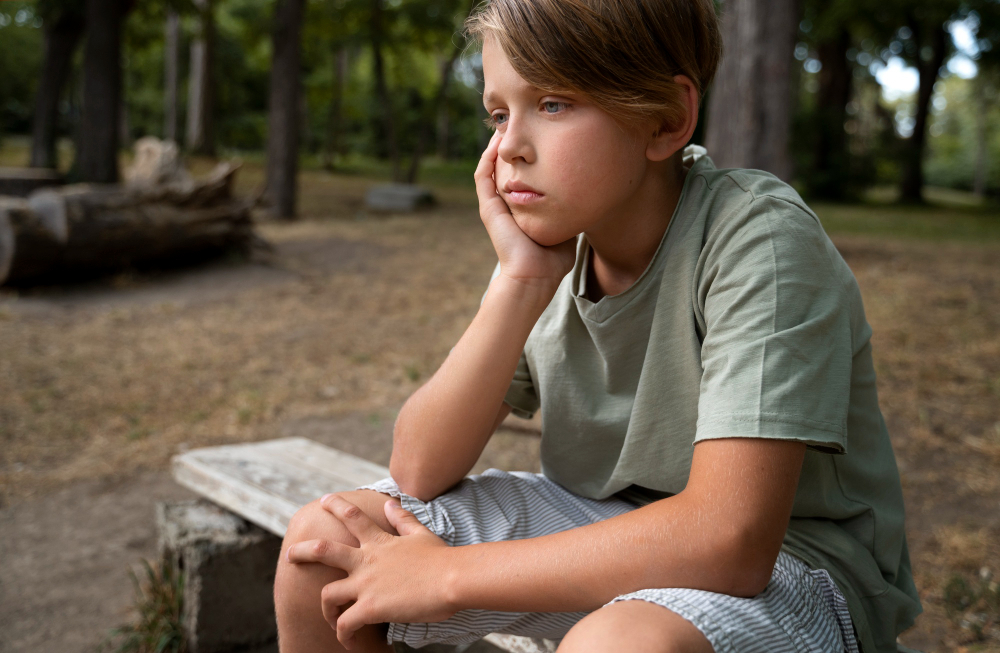
Collective punishment is when a group is made to face the same consequence because of the actions of one person or a small number of people. In school, this can mean the entire class loses recess, an activity is cancelled, or privileges are taken away because of something one student did. The rules are applied to everyone, without looking at who was actually responsible or what support the person involved might need.
Sometimes, it’s not even called “punishment.” Teachers or schools might describe it as a “natural consequence,” “loss of privileges,” or say that “classroom agreements” require the whole group to share responsibility. These phrases can hide the truth: students are being held accountable for things they didn’t do.
-

What is an example of collective punishment?
Collective punishment is when a group is penalised for the actions of a few, regardless of individual responsibility. This practice…

Why it happens — the system behind the choice
It’s easy to think collective punishment is just about one teacher’s decision in a stressful moment. But the truth is, it is part of a larger pattern. In schools, it can be used as a management tool rather than a moral one. Teachers facing crowded classrooms, tight schedules, and not enough support may feel it’s faster to deal with everyone at once than to take the time to address one situation in detail.
Punishing the whole class can also let the school avoid looking at deeper problems. If a student is having a hard time because of unmet needs, a lack of support, or conflict with adults, those issues take time and resources to solve. Applying one consequence to everyone can make the situation look like it’s under control without actually fixing the cause.
The role of culture and loyalty
Research into cultural psychology shows that punishment is often influenced by ideas about loyalty and accountability. In many schools, protecting adult relationships takes priority over recognising harm to students. That means it can feel easier to share the consequence across the whole group than to directly address one adult’s role in the problem.
This can lead to certain students being treated as “outsiders” in their own classroom. Children who do not fit the school’s unspoken rules — whether because of disability, race, or simply being different — are more likely to be blamed, more likely to be punished harshly, and more likely to be the reason the whole group is disciplined.
-
Cultural bias and collective punishment: why school systems resist feedback
Across cultures and institutions, punishment is often mischaracterised as a neutral or corrective act—something that emerges in response to wrongdoing, rather than something shaped by norms, loyalties, and group dynamics. But when we look closely at how people learn to punish (and more…

The history that shapes it
Many adults working in schools grew up when physical punishments — like the strap, paddling, or being hit — were still used. Compared to those experiences, collective punishment can seem softer or even kind. But while it may not cause physical pain, it creates emotional harm: it erases individual responsibility, teaches students to carry guilt that isn’t theirs, and makes fairness seem unreliable.
Because this form of discipline has been normal for so long, it can be hard for schools to see it as a problem. It feels familiar, and familiar practices can be difficult to question.
-
Collective punishment in schools: global history and harm
Explore the global history of collective punishment: how it has been defined, justified, resisted, and remembered across cultures and time.
The impact on students
When a whole class is punished for one student’s behaviour, students learn that their safety and standing depend on others, not on their own actions. This can make classrooms feel unpredictable, where any person’s mistake can take away something from everyone.
Instead of building cooperation, it often builds resentment — toward the person blamed for the loss, and sometimes toward the teacher. It can create competition to avoid being “the one” who causes a consequence, which can make classmates less supportive of each other.
For students who already feel different or are managing challenges outside of school, this kind of punishment reinforces the idea that they have to hide their struggles. They may “mask” their feelings and behaviour to avoid being targeted, even if that masking causes more stress and exhaustion.
-
When the bell rings but the doors stay shut: why withholding recess is a breach of children’s rights
Few topics ignite as much debate as the cancellation of recess. Threads often begin with a frustrated parent describing how an entire class lost recess because of one student’s behaviour, or a teacher recounting the expectation to withhold outdoor play for incomplete work.…
-
To the neurodivergent kid who got blamed
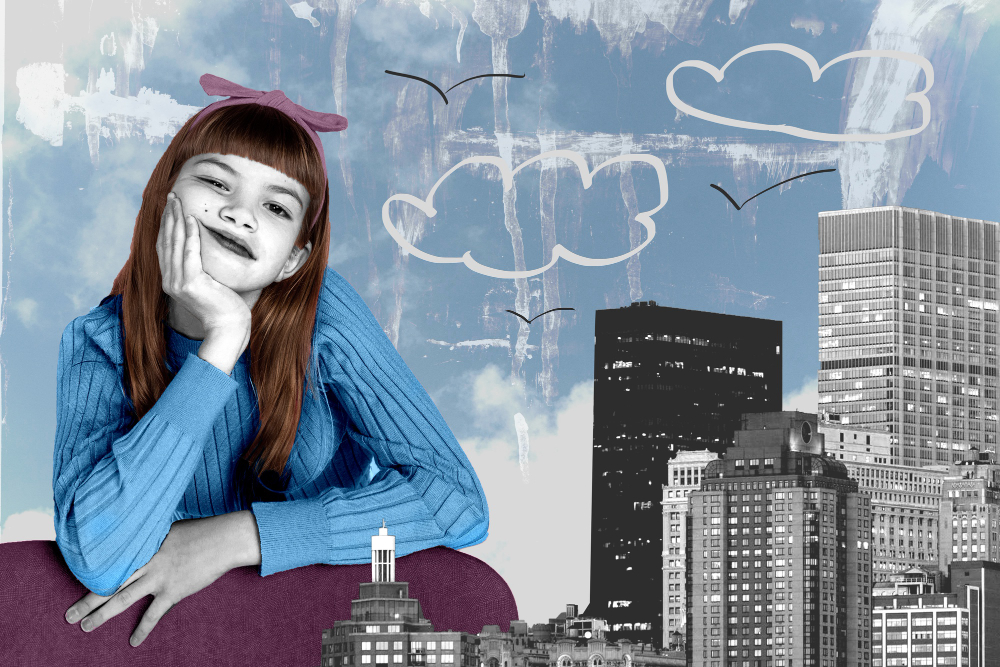
Worried your mistake might get your whole class punished? That fear isn’t yours to carry. Here’s why—and what you can do.
Why it keeps going
Part of why collective punishment survives is scarcity. In an underfunded school system, teachers may not have enough help to deal with a crisis while keeping the rest of the class engaged. If a student in distress takes up all the teacher’s attention, other students may be left waiting. It can feel simpler to cancel an activity for everyone rather than find a way to support that one student while keeping the lesson moving.
In this way, collective punishment can become a coping strategy for schools running without enough staff, training, or flexibility. But even if it makes the day easier in the short term, it often leaves lasting harm.
-
Engineered famine in public education
In British Columbia schools today, we are not facing a behaviour crisis—we are facing a famine of care. This essay weaves together personal memory, systemic critique, and deep empathy for teachers and families alike to ask why our schools are starving the very…
What could be done instead
Teachers have ways to address problems without punishing everyone. They can quietly redirect the student who needs help, use their presence and connection to prevent things from escalating, or change up an activity to reset the energy in the room. They can recognise and thank students who are engaging positively, which reinforces good behaviour without shaming anyone.
When a teacher realises they’ve used collective punishment, they can repair trust by being open about the mistake: saying “I was frustrated and made the wrong choice” shows integrity and makes it safer for students to admit their own mistakes. This builds a culture where accountability is personal, and fairness is real.
Why understanding matters
Collective punishment is more than just an unfair moment in class — it is part of a wider system that shapes how students see fairness, safety, and authority. When you understand why it happens and how it works, you can recognise it for what it is: a choice that protects control in the moment but can harm trust for a long time. And with that understanding, you can imagine and ask for something better.
End collective punishment in BC schools
No child should be punished for another’s behaviour.
Children know from a very young age that this is wrong.
We call on the BC Ministry of Education and Child Care to end collective punishment in BC Schools.