Families and teachers are describing the same failure from two positions inside it. The system survives by keeping them from recognising each other.
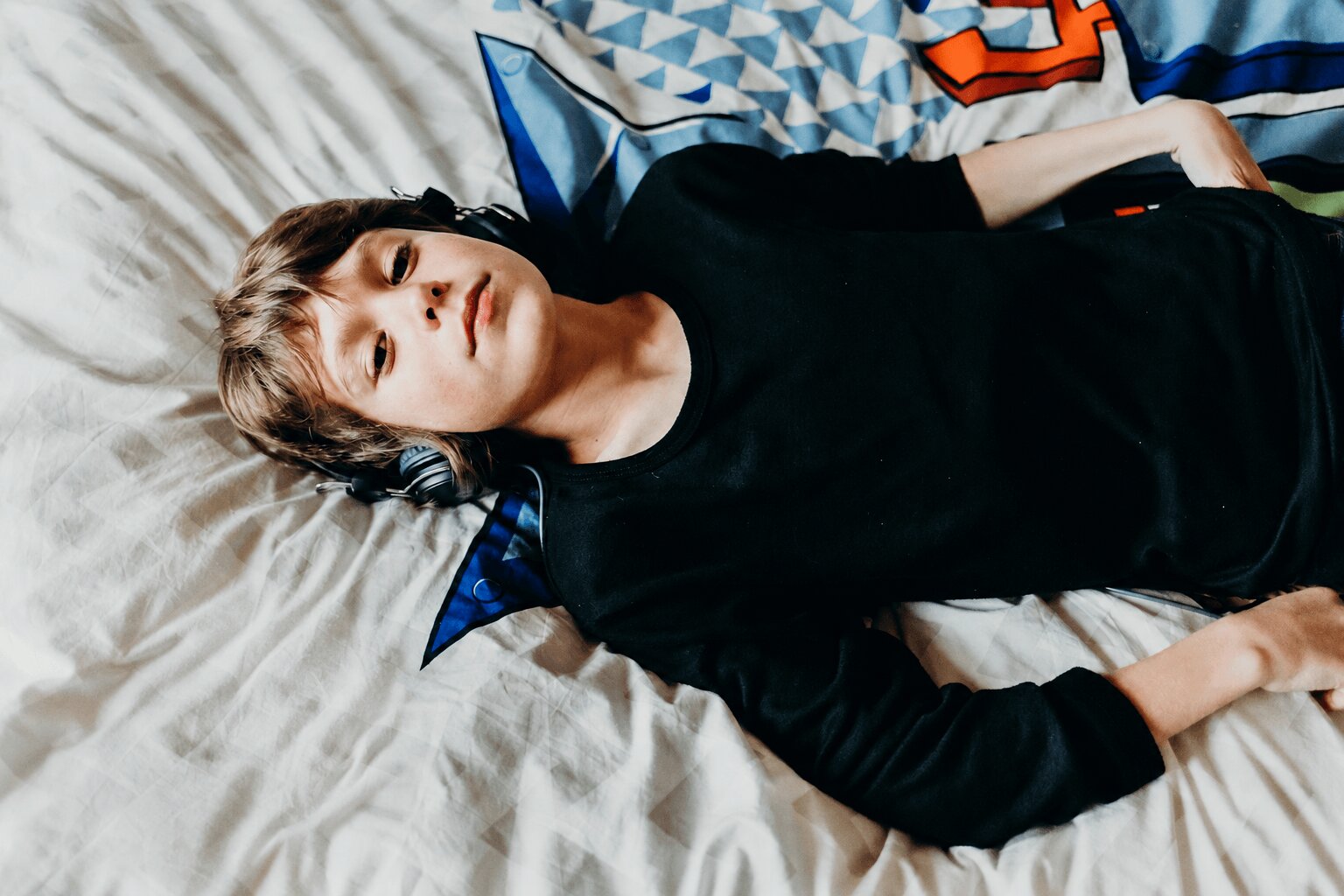
My daughter learns to hold the school day together the way you hold a breath, and holds her breath until she is in the car, slowly telling me a litany of events, and then screaming as we get on the highway, sobbing in a desolate and feral way.
So, I learn what the day cost her. And somewhere across the city, in a staffroom at the end of the same day, a teacher sits with a survey that asks whether students’ needs are being met — and writes down the truth my daughter’s body already told me.
Thirteen per cent.
When the BCTF surveyed its members — a result that made provincial headlines —
- ~25% of teachers believed their students’ academic, social, and emotional needs were being met.
- For students with disabilities and diverse needs, that fell to 13% cent.
The same shortage, arriving as two different injuries
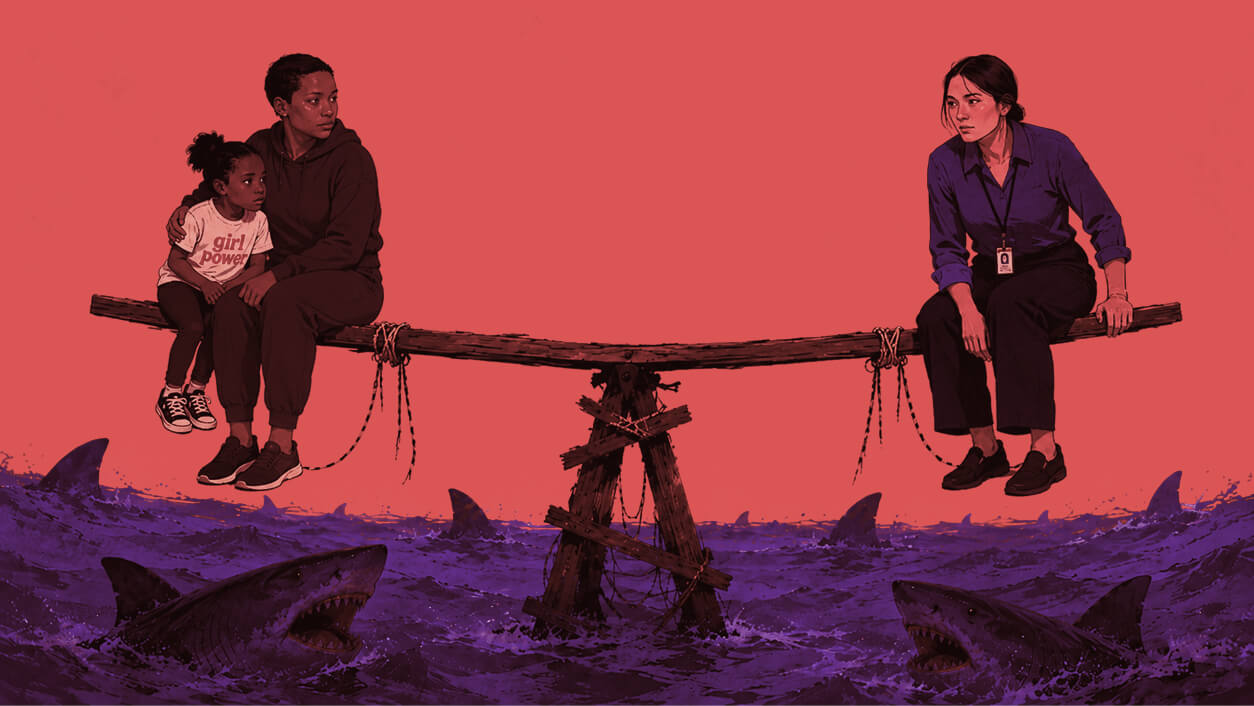
The scarcity is the balance beam we are all standing on. It lands as two injuries because it reaches two people through different doors.
For a family, the missing education assistant, the assessment deferred for eighteen months, the IEP written and then quietly shelved, the day cut to one hour “until things settle,” all arrive as a rights injury — the child is denied meaningful access, safety, dignity, instruction, the ordinary goods of a public education the province promised and the law protects.
For a teacher, that same missing assistant arrives as an impossible-work injury — twenty six children, several in crisis, one room, no support, insufficient planning time, and a personal accountability for outcomes no single adult could secure.
The parent feels the wound through the child; the teacher feels it through the work.
Putting numbers to the gap, the BCTF’s analysis of inclusive-education funding found that in 2023–24 provincial funding covered roughly 72% of what districts actually spent on inclusion, a shortfall of about $340 million, with coverage reaching 75.8% the following year. Incremental improvement during a disaster.

Kill two birds with one stone
Sara Ahmed describes Non-performative speech — how an institution can name a commitment and treat the naming as the having-done, so that “inclusion” becomes a word a district says about itself rather than a condition it builds.
Non-performative speech becomes a way to kill two birds with one stone. It gives families the language of care while giving staff the language of constraint. It lets the system sound as if it has answered both, without materially feeding either.
Performative speech would sound different:
- Here is the EA you requested.
- We are giving districts extra money to distribute grocery cards to families in poverty.
- We recognise staff need more training on how to support children with Pathological Demand Avoidance, so we’re having a District wide professional day.
- We have funded the staffing, training, and time required to make the plan possible.
Human resources and funding are the seeds that could feed both birds, if the system’s words were meant to be real.
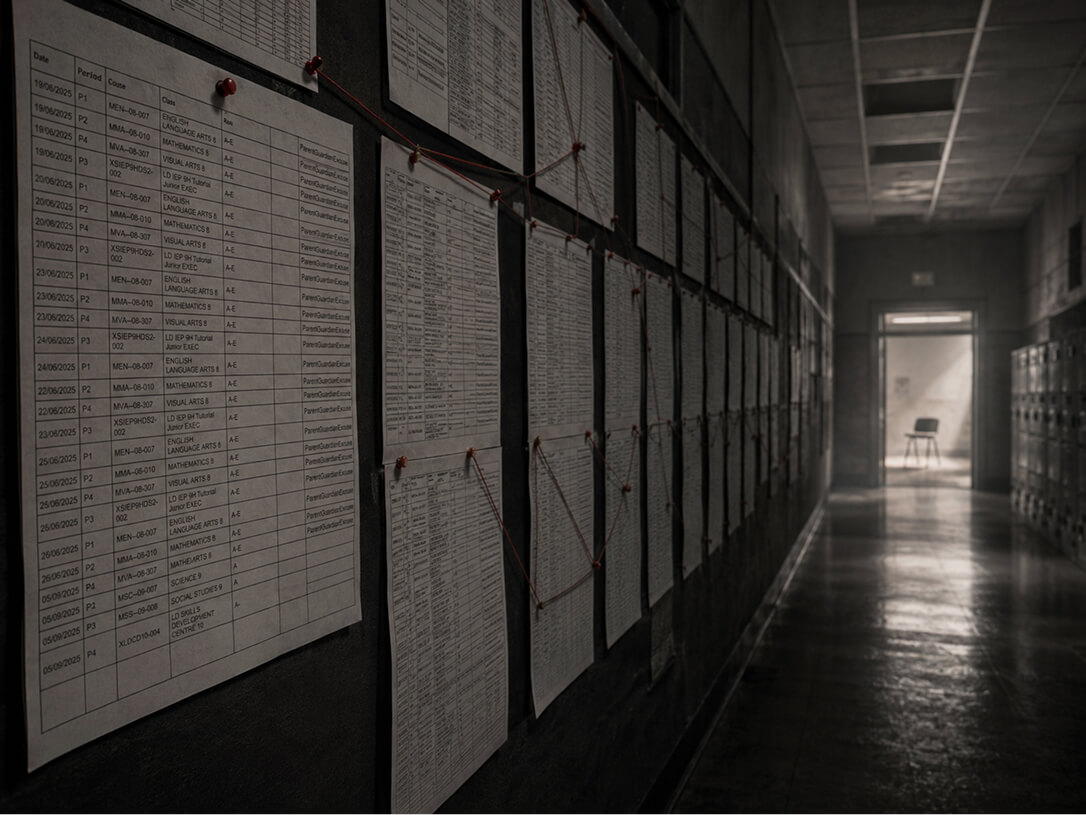
Instead, when a family documents harm — the dates, the missed IEP accommodations, the reduced timetable, the afternoon the child was sent home because a staff person was absent — the institution receives the record as aggression rather than evidence. The parent who names what is happening becomes, in Ahmed’s terms, the killjoy.
Elaine Scarry shows how pain resists language, and how bureaucratic language can be built to dissolve suffering into procedure. The child on the kitchen floor becomes an incident, a behaviour, a line in a file, a goal , until the most embodied fact in the entire system — a distressed child — thins into a vocabulary that no longer holds a body at all.
Why the division?
The separation deepens at the level of language. When families press, the system routes them into the language of rights — Was the IEP implemented? Was the adverse impact connected to disability? Was the exclusion recorded? — while teachers who press are routed into the language of labour: class size, composition, caseload, supervision, health and safety, the collective agreement.
Both languages are legitimate. The Human Rights Tribunal treats the denial of meaningful access to a disabled child as a possible discrimination in services, and the collective agreement treats an unsafe, overloaded classroom as a workload and safety matter, and the two accounts of the same shortage are kept in rooms built far enough apart that they never meet. The family’s emergency becomes one child’s file. The teacher’s emergency becomes a grievance. The education assistant’s exhaustion becomes a staffing line.
Some of that partition is enforced by genuine constraint, and honesty requires naming it. Teachers operate under real limits; the BCTF’s code of ethics and the hard-won protection of teachers’ public speech sit alongside privacy duties and employment relationships that allow a teacher to say we need more support in public while forbidding the far more useful sentence — that this particular child is being excluded because this particular support was withheld.
Parent governance carries its own ceiling. The School Act and the structure of PACs and DPACs give families advice, motions, questions, and appeals, while leaving the enforcement of one disabled child’s daily access entirely outside their reach; and the parents most harmed by exclusion are usually the most exhausted and the most exposed, so the formal channel for parent voice runs quietest exactly where the harm runs loudest.
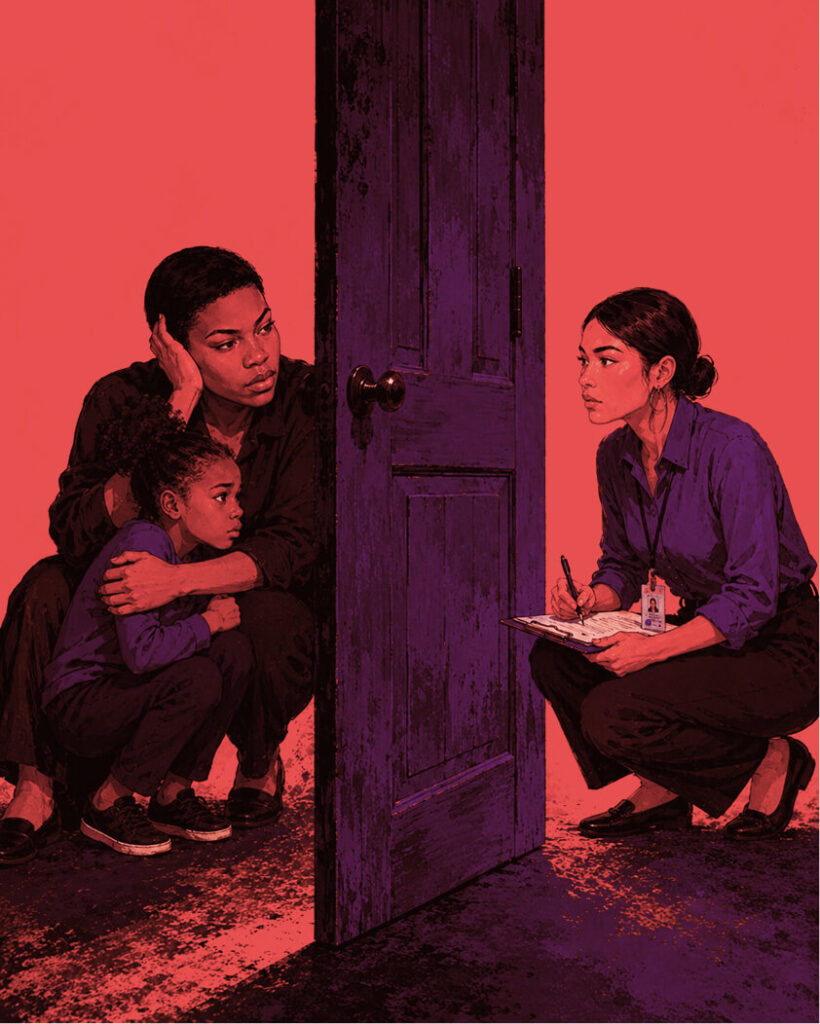
The door is built from fear
The door is built from fear, and the fear is rational on both sides. Teachers fear discipline, disloyalty, the privacy breach, the colleague’s resentment, and the particular trap in which this child needs more support is overheard by management as this teacher cannot cope.
Families fear retaliation against the child, the label of the unreasonable parent, the loss of the last fragile working relationship at the school, and the colder fear that naming harm clearly will close ranks while staying silent changes nothing at all.
The education assistants hold the clearest view of the implementation gap and the least protected standing to describe it.
And the students see most accurately of anyone what a day inside an under-resourced classroom does to a body, and are believed least of all.
The door is policy, and it is also hierarchy, confidentiality, professionalism, loyalty, exhaustion, and the standing threat that whoever tells the truth will pay for it personally and alone.
The slow wearing-down of access
Jasbir Puar’s debility names what happens next — the slow production of people worn down rather than cleanly excluded, held in a condition of attrition that resolves into neither full inclusion nor honest expulsion.
- The partial day that hardens into the permanent timetable
- The assessment idling in a queue for a year and a half
- The support that arrives in fragments and then evaporates
The institution would like these read as accidents of an otherwise functioning system.
This is a system of distributing harm in increments small enough that no single person is accountable enough to feel morally responsible.
Achille Mbembe writes about the administration of those a system treats as disposable, the routine deciding of which lives are exposed to abandonment; downloaded to a school, that administration looks like a series of reasonable-sounding operational adjustments, each one shaving a little more access from the children whose access was already most fragile.
And the oldest schoolyard punishment returns in structural dress.
Collective punishment is familiar as the whole class losing recess for one child’s outburst; the more corrosive version organises an entire classroom around containment because the supports never came, teaches peers — by arrangement, not by accident — to read the disabled child as the reason everyone is losing something, and leaves a teacher alone with impossible needs until control becomes the only instrument the budget left in the room.
Just a Parent
The child becomes the visible cause of a scarcity decided three levels up, and the design that produced the scarcity stays out of view.
“We are doing our best” is a feeling
Many teachers are doing their best; many principals and district staff are doing their best, and I have met them, and their effort is real and often quietly heroic.
The analysis has to keep moving past that fact rather than stop at it, because people are working hard is the precise place accountability tends to die.
- Good intentions do not staff a classroom.
- Kindness does not stand in for a speech-language pathologist.
- A devoted teacher cannot be the remedy for the missing assistant, the absent counsellor, the inaccessible curriculum, the assessment deferred past usefulness, the district habit of sending a child home when needs exceed the day’s available adults.
Ahmed’s non-performativity returns here with a harder edge: when an institution answers a structural failure with a feeling — we care, we are trying — it offers the feeling as the fix, and the feeling, however sincere, leaves the staffing exactly where it was.
The useful question sits one level deeper than effort. It asks why a child’s access to education depends on heroic effort in the first place. When access depends on heroics, access becomes exceptional. The heroic exception then buoys the system’s story that it is trying, while the ordinary structure remains unchanged.
As Dillbary and Miceli argue, collective punishment is not simply an error in which the innocent are accidentally caught up with the guilty. It is a structure of enforcement in which the decision-maker can widen the punishment group, spreading the cost across people who did not cause the problem.
Downloaded to a school, that widening looks familiar. One child’s unmet needs become the reason the whole class loses ease, attention, recess, safety, or predictability. The disabled child becomes the sinner; the classroom becomes the punishment group; and the system that withheld the support becomes the only party left unnamed.
The false choice, refused
The institution offers families a choice that is really a trap:
- accept the child in a room without the support that makes the room safe, or
- accept the child’s removal because the support is missing.
Either way, the scarcity is treated as natural. Either way, the child pays.
The Supreme Court of Canada in Moore settled the principle that adequate special education is the means by which a disabled student reaches the general education service at all: the ramp, not the ornament. That makes the withholding of support a denial of the thing itself, not the trimming of an extra. A right that depends on whether an assistant happened to be funded this September is a right held on sufferance.
That this pattern is finally being examined matters. The BC Ombudsperson
That this pattern is finally being examined matters. The BC Ombudsperson is investigating the fairness of students being told to stay home, placed on shortened days, isolated, restrained, secluded, and left without the supports they are owed. The investigation exists because the informal exclusions were real, numerous, and too often undocumented by design.
On opposite sides of the same door
Between the kitchen where my daughter shakes desperately and the staffroom where a teacher writes 13% on a survey, there is power.
- The parent documenting every missed support is keeping one of the only honest records the system reliably produces.
- The teacher who says I cannot do this safely with what I have is reporting a fact about the building, not a flaw in herself.
- The education assistant burning out under impossible expectations is telling us what the budget refuses to say.
- The student whose body collapses after a day called inclusion is also giving evidence.
Set these accounts beside one another and they corroborate. Once they corroborate, the institution loses the thing it depends on most: the ability to call a political decision a communication problem, to file a public failure as a private one, and to keep the people harmed by scarcity from recognising each other.
This is a public system asked to perform inclusion without the conditions inclusion requires.
The door was built to open.